Amplifying Immigrant Voices
Chef Bootcamp alum and activist Grace Ramirez on advocating for immigrant reform and the power of telling stories.
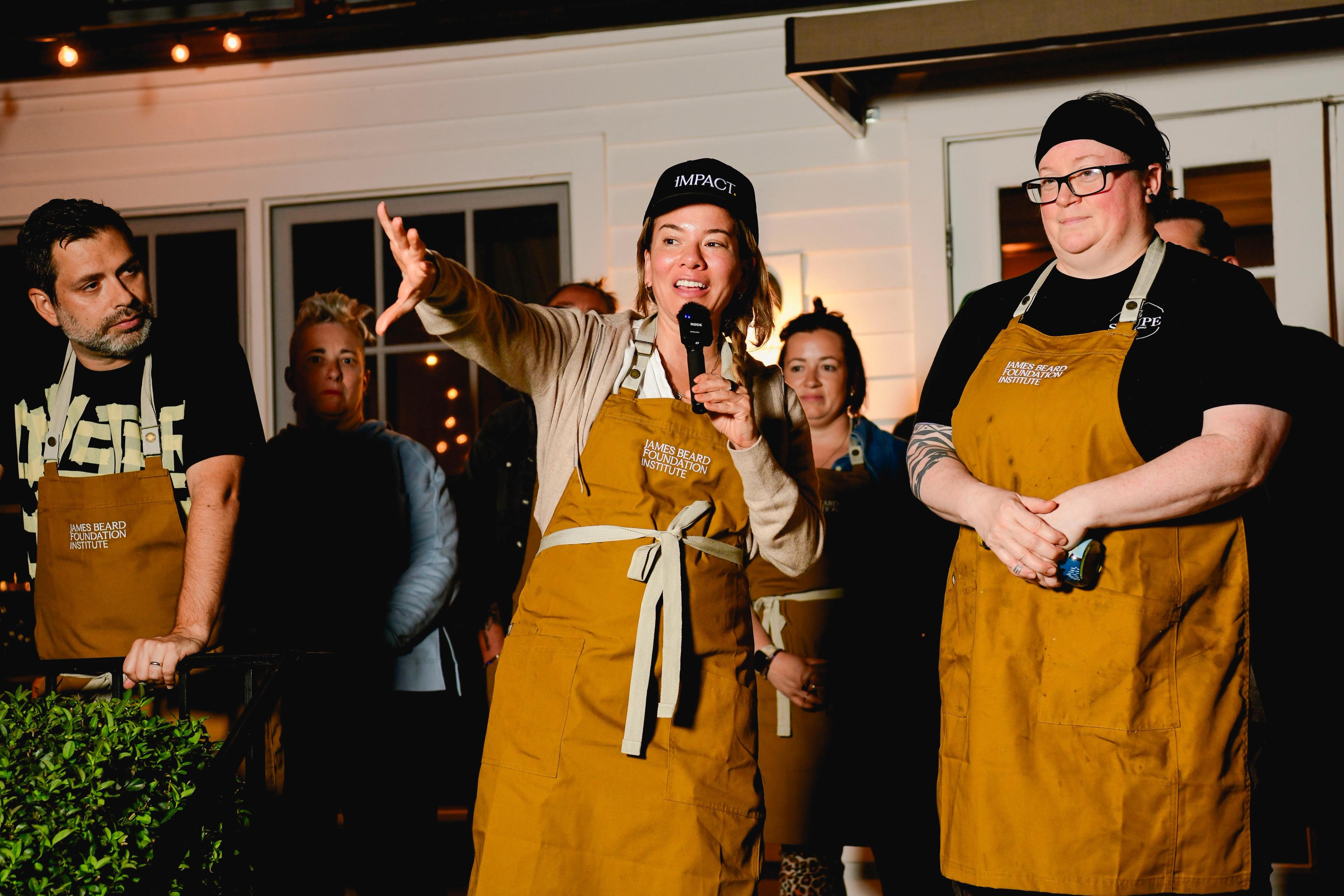
Chef Grace Ramirez at the fall 2025 Chef Bootcamp for Policy and Change® (Photo: Max Flatow)
Tue, May 26, 2026
If anyone understands the power of food storytelling, it’s chef, author, and activist Grace Ramirez. She started her career in television production, notably as a director and producer of Throwdown! with Bobby Flay. Travelling cross-country to find unique restaurants with best-in-category dishes, from pancakes to fish tacos to lobster rolls, is when Ramirez says she fell in love with the food industry—and had a career-defining aha moment. “Immigrants feed America. They are the backbone of this country. Behind restaurants and all these concepts are Latinos. They are the ones doing the hard labor,” she says.
As a first-generation American raised in Miami by Venezuelan-born parents, Ramirez has used her platform to share stories from the immigrant restaurant community. On the heels of completing JBF’s Chef Bootcamp for Policy and Change®, Ramirez talks about how the experience, support, and community have been vital to her work fighting for immigration reform, amplifying the voices of the immigrant restaurant community, and inspiring the next generation of culinary changemakers.
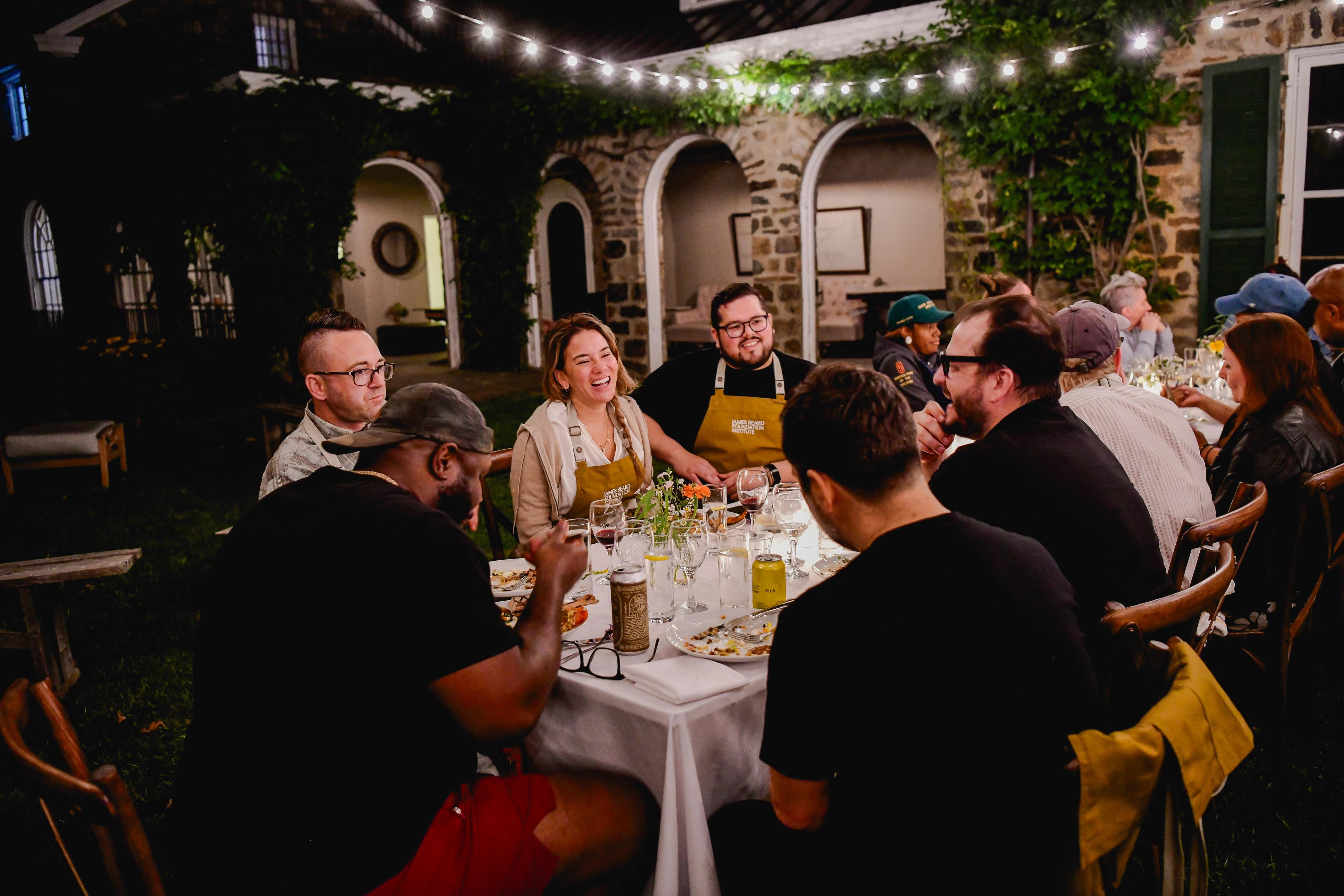
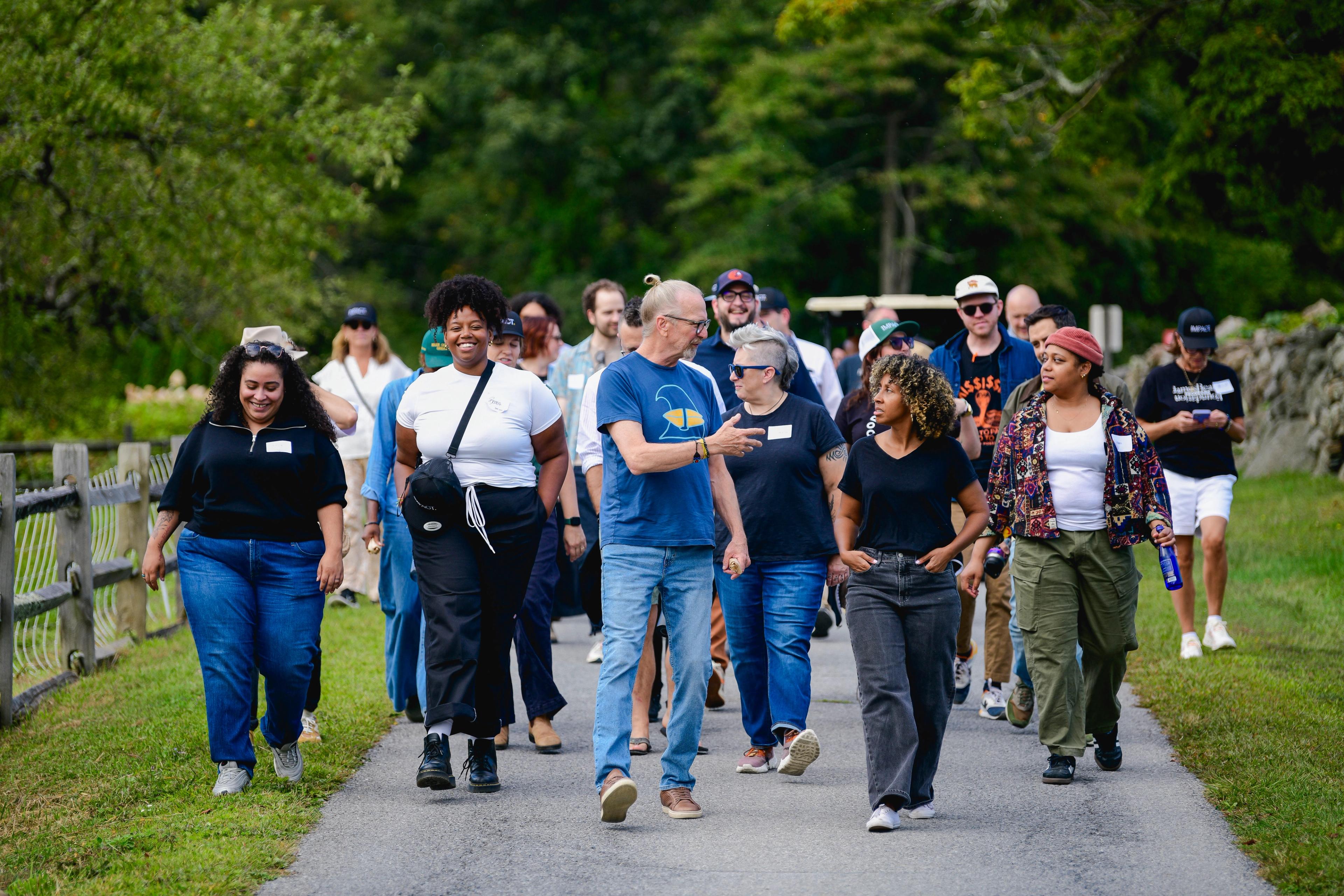
The fall 2025 Chef Bootcamp took place at the Glynwood Center for Regional Food and Farming in Cold Spring, New York. (Photo: Max Flatow)
Ramirez says the experience of working on Throwdown! With Bobby Flay both crystallized her desire to attend culinary school and illuminated her path toward activism. “I knew from the get-go that one of my missions was to be a voice for my community,” she says. “When you’re working at a restaurant and you don’t have the right immigration status, you feel invisible. And you feel like you don’t have a voice and you feel like you don't have any kind of rights.”
Ramirez briefly competed on MasterChef before enrolling at the French Culinary Institute in New York City, where she completed a nine-month night program while working for minimum wage as one of the first hires at Eataly. There, the executive chef only spoke English, while all the line cooks spoke Spanish. Ramirez employed her bilingual skills to translate, while also bolstering the staff’s morale. “I was trying to figure out a way to combine my love[s] for food and media and advocacy and activism,” Ramirez says of that time. “I’ve always been that person. Early on my mom had me volunteering and giving back to our communities; it’s an essential part of what we do.”
Ramirez then spent four years in New Zealand, where she taught a garden-to-table program at local schools and served as a judge on My Kitchen Rules New Zealand, both experiences that helped shape her philosophies as a chef and her culinary point of view. Next, she wrote her first cookbook, La Latina: A Cook's Journey Through Latin America, and then became the only chef in Food Network history to simultaneously host programs in both North and South America. While in New York during the height of the pandemic in 2020, Ramirez shifted her focus to activism. She played a pivotal role with World Central Kitchen, helping deliver over 100,000 meals daily to frontline workers and underserved communities and preventing the closure of more than 250 New York restaurants, which earned her recognition as a COVID Hero by the City of New York.
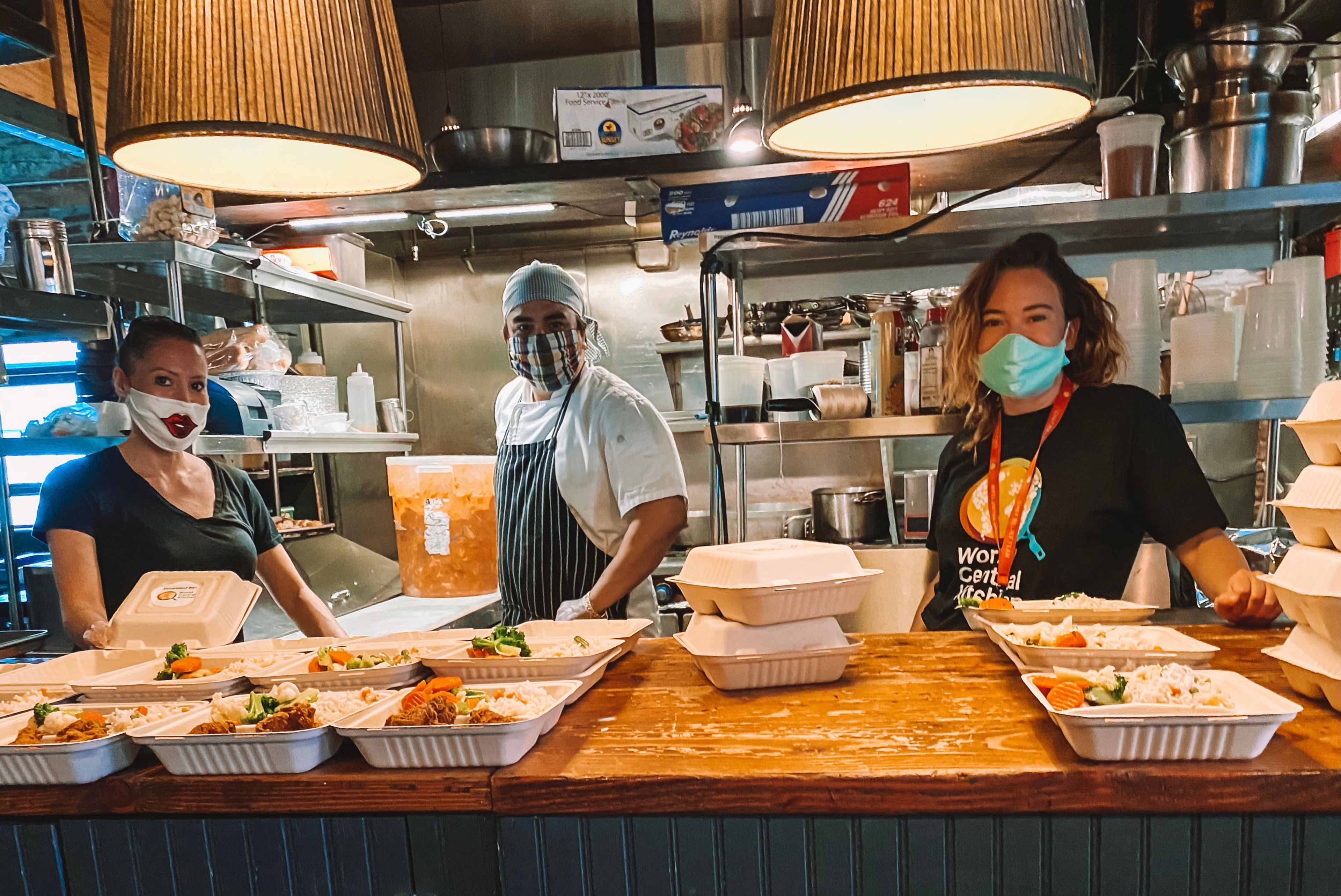
Ramirez participated in World Central Kitchen's COVID-19 pandemic relief programs. (Photo courtesy of Grace Ramirez)
Applying for the fall 2025 cohort of JBF’s Chef Bootcamp for Policy and Change® came at a particularly opportune time. Ramirez had started going to the Hill with Justice for Migrant Women, giving her exposure to advocacy work at a federal level, but found that she needed more direction to respond to her most pressing questions: “How do we uplift voices? How do we show the importance of immigration and immigration reform for our industry?”
“[Chef] Bootcamp really gave me a lot more tools to go about this and different paths, what I was doing and not doing, and seeing,” Ramirez says. During the three-day program, Ramirez and her fellow chefs received policy and media training from industry and political experts and attended educational sessions about pressing food-system topics such as conservation programs to mitigate the impact of climate change, work permits for immigrants, and tariffs. One of the most powerful experiences for Ramirez was getting to hear from a government affairs expert, who helped her understand the role that chefs play in sharing their stories to educate elected officials on what impact their restaurants and the food system.
“It’s so important that we understand how politics works so we can advocate for the change and things we need, especially in our industry,” Ramirez says. “Programs like Bootcamp really help you get over the fear and help you understand how this works. That was life-changing for me."
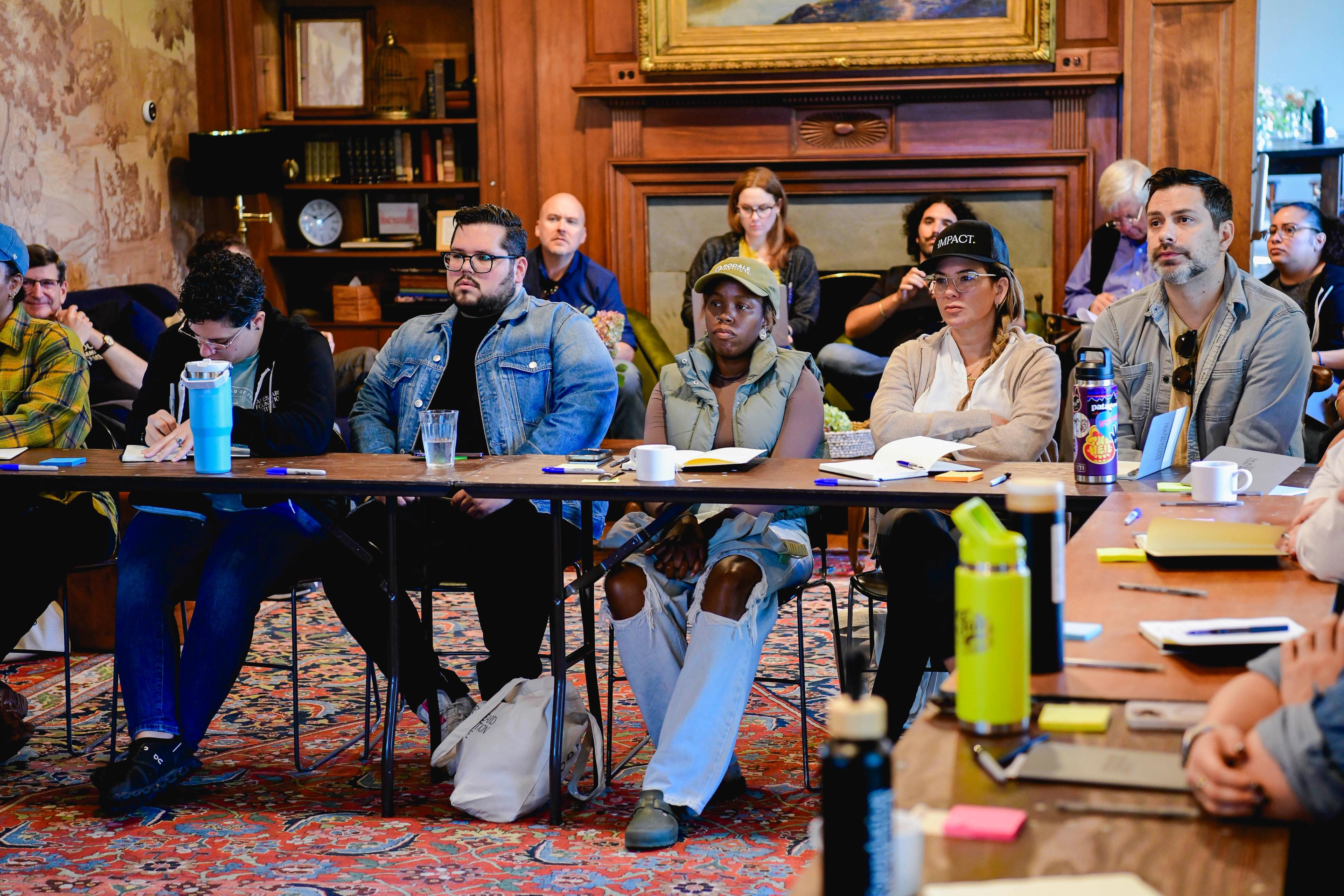
Ramirez at a Chef Bootcamp educational session. (Photo: Max Flatow)
Ramirez shares that one of her favorite parts of her Chef Bootcamp experience was forging meaningful connections with the other chef-participants. “What is very special about Bootcamp is [the] community. Sometimes, you feel like you’re doing it by yourself,” Ramirez says. “I’m learning that I can’t do it all and that it’s okay not to know how to do it all. There are so many great industry leaders that you can ring now, and say ‘I’m struggling with this’ or ‘How did you overcome this?’”
The Chef Bootcamp culminated in a strategic brainstorming session to help participants determine effective action points and next steps for the issues they are most passionate about. They then had six months to work on their core issue and prepare a final presentation for their cohort. Ramirez deepened her involvement with Seat the Table, a coalition of hospitality organizations of which JBF is a founding member and that is part of the American Business Immigration Coalition’s efforts to secure work permits for vital immigrant workers across industries. She continues to utilize her platform as a media personality and status as an American citizen to speak out, actively seeking media opportunities to share the immigrant food community’s stories and raise awareness about how essential immigrants are to the American food system.
“These programs are essential, now more than ever, because we need to understand that any real change requires politics. And that’s a fact,” Ramirez says, reflecting on her Chef Bootcamp experience overall. “If we want to see changes, we need to advocate for it, campaign for it, get government officials involved, let the mayor know. [We need to] understand the power of community coming together and advocating for change.”
Related Content
Meet the Spring 2026 Chef Bootcamp Participants

Meet the Fall 2025 Chef Bootcamp Participants
5 Things We Learned from the 2025 Chef Action Summit
Chef Bootcamp Sponsors
Program Sponsors


Program Supporters: The James Beard Foundation’s Chef Bootcamp for Policy and Change is made possible in part by generous donations from Toast.org
Official James Beard Foundation Partners