Flavor Forecast: Top Restaurant Food Trends for 2026
10 James Beard Foundation–recognized chefs predict the flavors, cocktails, and concepts that will define how we dine and drink next year.
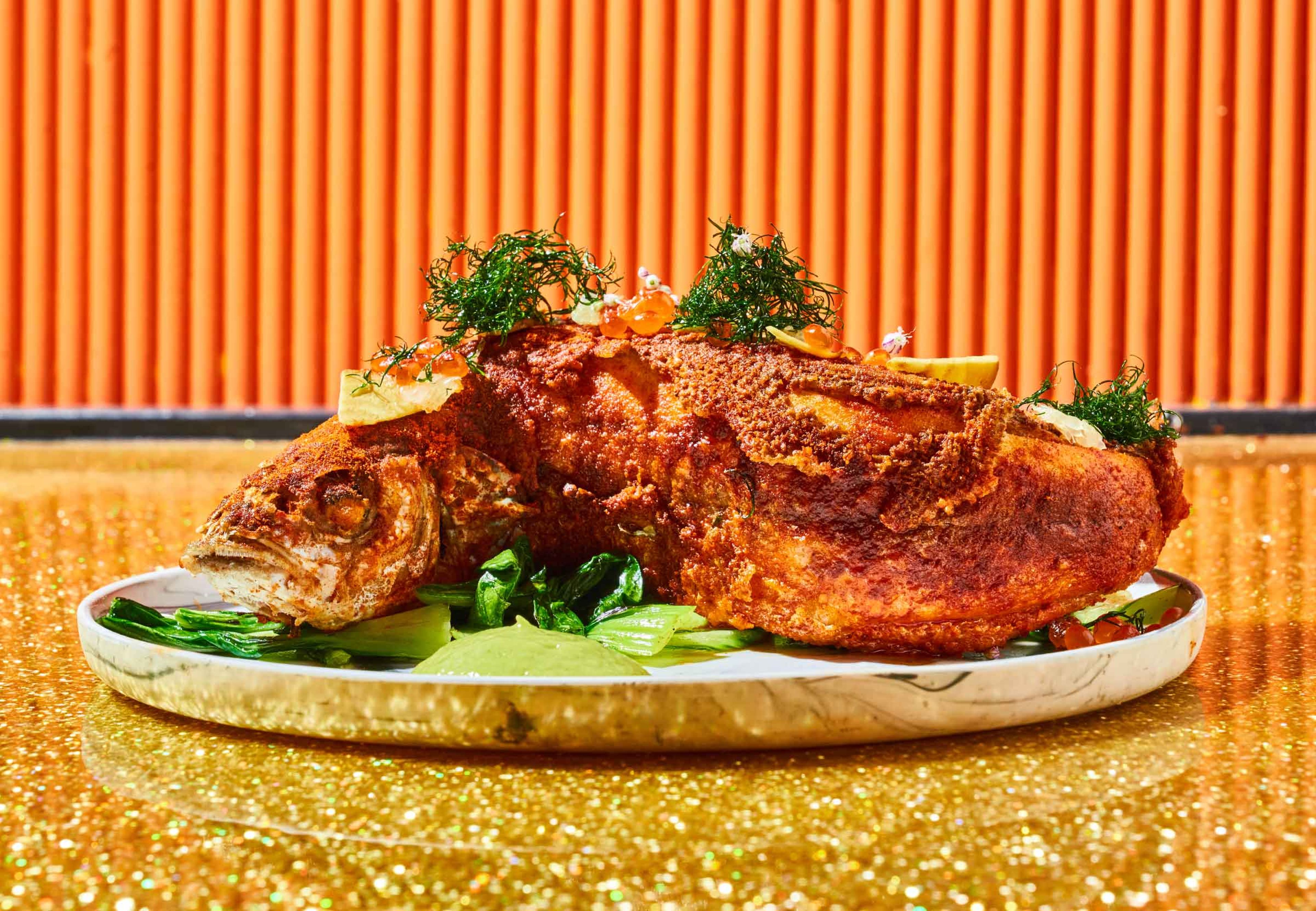
Photo courtesy of Kayla Abe/Shuggie's Trash Pie + Natural Wine
Mon, January 5, 2026
Between keeping up with current TikTok food trends, monitoring best-of restaurant lists, and chasing must-try dishes, it’s all but impossible for the average diner to predict next year’s dining trends. And while we might not have a culinary crystal ball, we do have access to a community of James Beard Award–recognized chefs and restaurant owners eager to dish on restaurant food trends for 2026. Chefs pay attention to consumer trends not only to anticipate what diners want, but to drive innovation, support their communities, promote sustainability, and stay nimble in their operations.
We asked ten James Beard Foundation–recognized chefs and restaurant owners to weigh in on the food trends they think will most impact the way that we dine, drink, and talk about food next year. From savory cocktails to intentional fermentation, large plates to affordable luxury tasting menus, these are the top food and beverage trends for 2026.
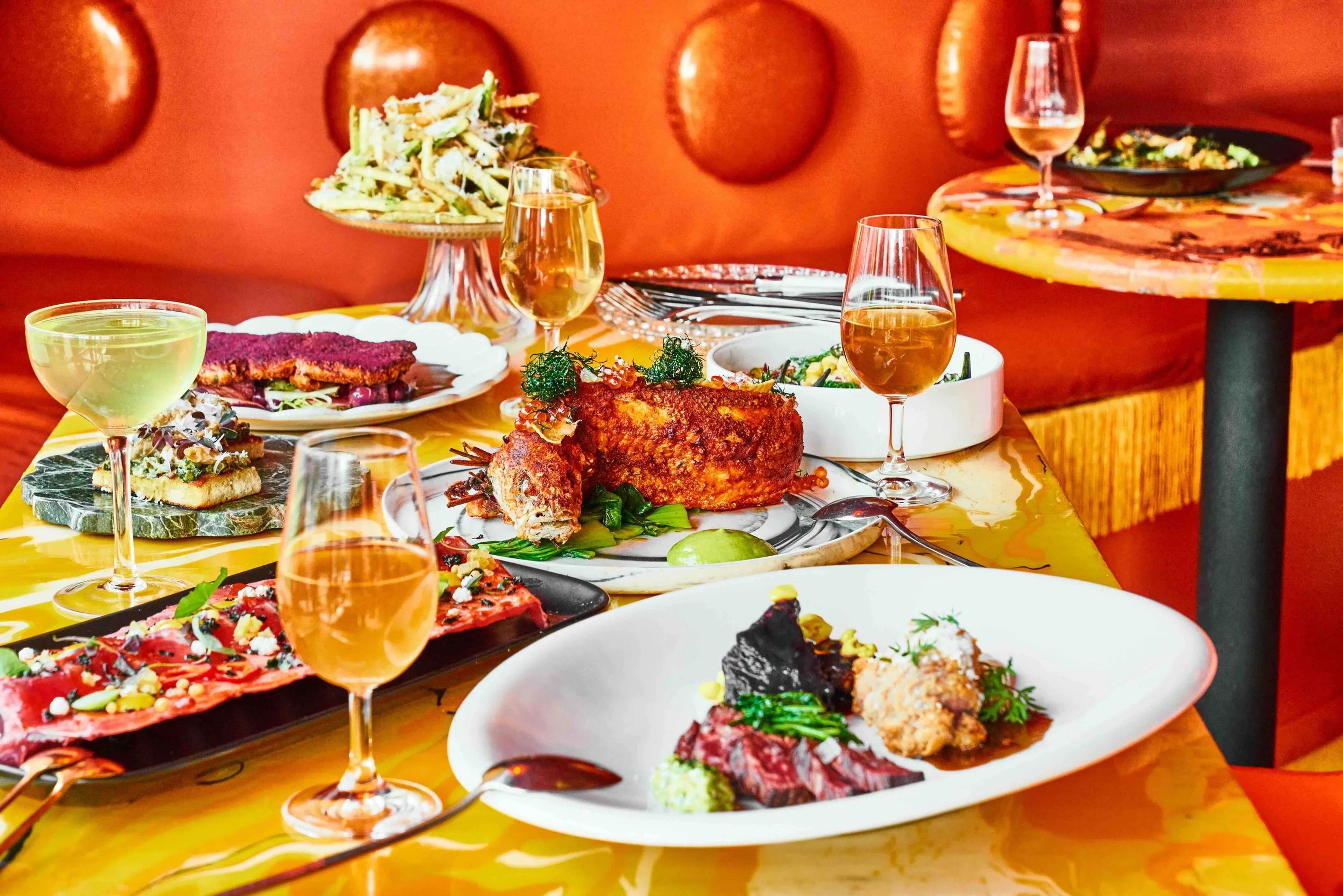
Many restaurants are looking to integrate sustainable ingredients with flavor payoff. (Photo courtesy of Kayla Abe/Shuggie's Trash Pie + Natural Wine)
Trending Flavors and Ingredients
Claws and Carcasses
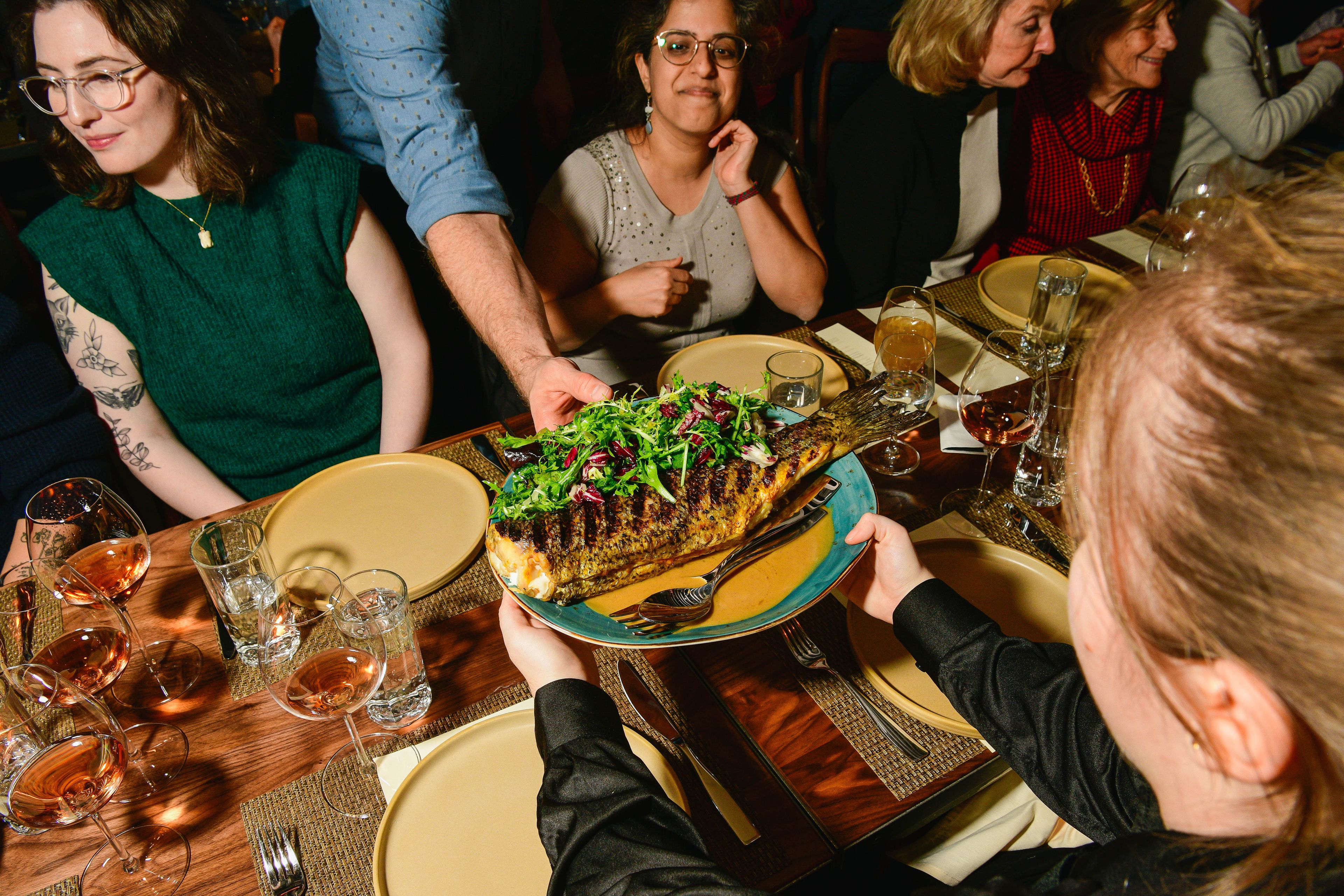
"More animal anatomy—heads, claws, carcasses—all on the plate,” says Kayla Abe, fall 2023 WEL alum and owner of Shuggie’s Trash Pie + Natural Wine in San Francisco, California. Sayat Ozyilmaz, a James Beard Award semifinalist® and co-chef/co-owner of San Francisco’s Dalida, agrees, but only when it’s integral to technique or storytelling. “We incorporate elements like fish collars or vegetable stems when they contribute flavor and communicate the whole-ingredient ethos that underpins our kitchen,” he says. “The goal is to show respect for the product, not to shock the diner.”
Souped-Up Seaweed
"It’s such a highly sustainable and incredibly versatile ingredient, and I hope more chefs will start exploring its potential,” says Emily Yuen, a James Beard Award semifinalist® for her work at Lingo, a Japanese-American restaurant in Brooklyn (Yuen is no longer at Lingo). “From adding umami depth to broths and sauces, to using it as a textural element or even in desserts and cocktails, seaweed can bring so much character and complexity to a dish.”
Intentional Fermentation
Although fermentation is integral to many culinary traditions, consumers are increasingly aware of not only its health benefits, but flavor potential and sustainability. “Chefs are using ferments to extend short growing seasons, preserve abundance, and reduce waste,” Ozyilmaz says, noting that he stocks Dalida's pantry with staples like fruit vinegars made from trim and cultured chili pastes from seasonal gluts. “Fermentation lets a cook express time, place, and scarcity all at once.”
Terroir-Driven Storytelling
When ingredient storytelling is done authentically, it can help foster a more meaningful dining experience for diners curious about ingredients and cultural origins. “I see diners gravitating toward deeper expressions of terroir—ingredients that tell a story of place, especially those grown regeneratively or stewarded by Indigenous or local producers,” says Codi Bates, owner/operator of Bates Co., the hospitality group behind Lawrence, Kansas eateries like The Burger Stand, Bon Bon, and Cider Gallery & Taco Zone. Ozyilmaz says this is a trend he’s noticed in his travels. “Across the country, I’ve seen restaurants honoring Indigenous farming traditions—like milpas [an intercropping system where corn, squash, and beans are planted together], dry-farming, or heirloom bean cultivation—not as nostalgia but as viable, sustainable systems that shape the plate.”
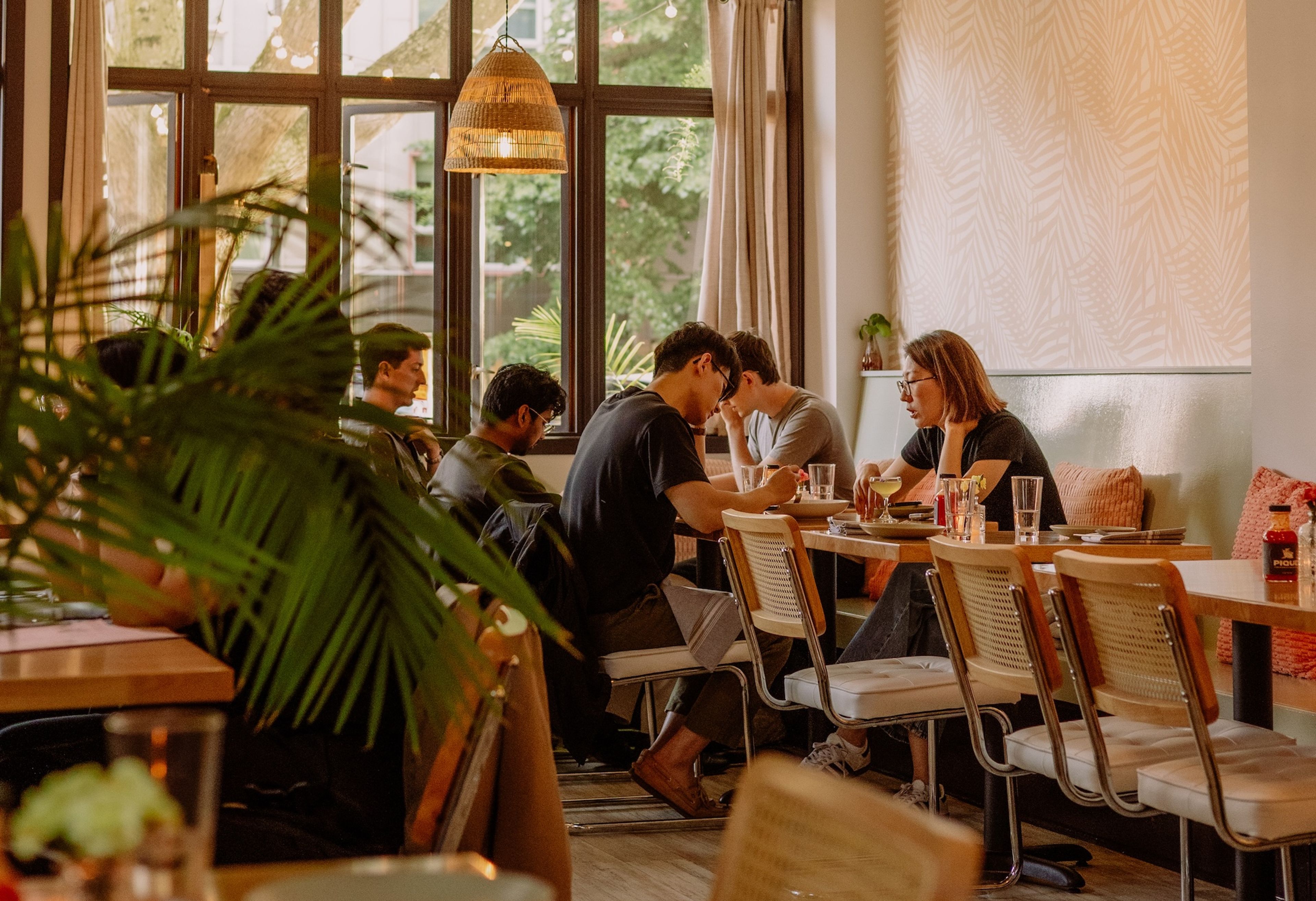
Smaller menus and larger plates keep customer value in mind. (Photo courtesy of Jhonny Reyes/Lenox)
Restaurant and Bar Trends
Shrinking Menus
As restaurant- and bar-goers become more discerning with their dollars and attention spans, every dish and drink must deliver. As a result, operators are focusing their menus on fewer things done well, which helps streamline workflow for staff, too. “We’re seeing smaller menus that change more often, built around what’s fresh, what’s local, and what feels right for the season,” says Jhonny Reyes, chef/owner of Lenox, an Afro Latin soul restaurant in Seattle. “And descriptions are getting simpler. No fluff—just real food with a story behind it.”
Soul-Satisfying Large Plates
Small plates probably aren’t going anywhere, but Abe predicts that we’ll see lots of larger format entrées, noting that not everyone wants to share. This trend might also appeal to diners who crave value, especially if they’re of the mindset that small plates don’t fill you up. Corrie Wang, fall 2024 WEL alum and co-owner/operator of Jackrabbit Filly and King BBQ in North Charleston, South Carolina, acknowledges that there will always be restaurants catering to wealthy diners chasing status bites, but “Otherwise, I think restaurants will veer homey and saucy and big!” she says. “Desperately needing some comfort, we’re all looking for food that feeds the soul right now.”
Affordable Luxury Tasting Menus
"Recession brain has reduced the general public’s tolerance for the unbridled creativity of a tasting menu if it means they may not come away completely full by the end of a meal,” Abe says. “So, it now feels less about experiencing the uniqueness of that restaurant’s edible perspective at that specific moment in time, and more about ‘does this menu feel like a deal at this price point?’” Danielle Duran Zecca, chef/co-owner of Amiga Amore in Los Angeles, agrees: “Tasting menus will always have a place, but I think that people will look for more loaded dishes that don’t skimp on flavor and satisfy without breaking the bank."
Multi-Concept Spaces
To create true third place spaces, operators are experimenting with multiple concepts under one roof. “There’s something meaningful about a room that can hold different types of gathering[s] depending on the hour. It feels flexible, community-driven, and welcoming,” says Alba Huerta, winter 2024 WEL alum and owner of Julep, a James Beard Award–winning cocktail bar in Houston, Texas, citing places like Jun in Houston, which is a coffee shop during the day and a restaurant at night. “I wouldn’t be surprised to see more spaces explore this idea: cafés that become wine bars in the evening, bakeries that shift into intimate dinner counters, or bottle shops that open their doors for neighborhood hangouts.”
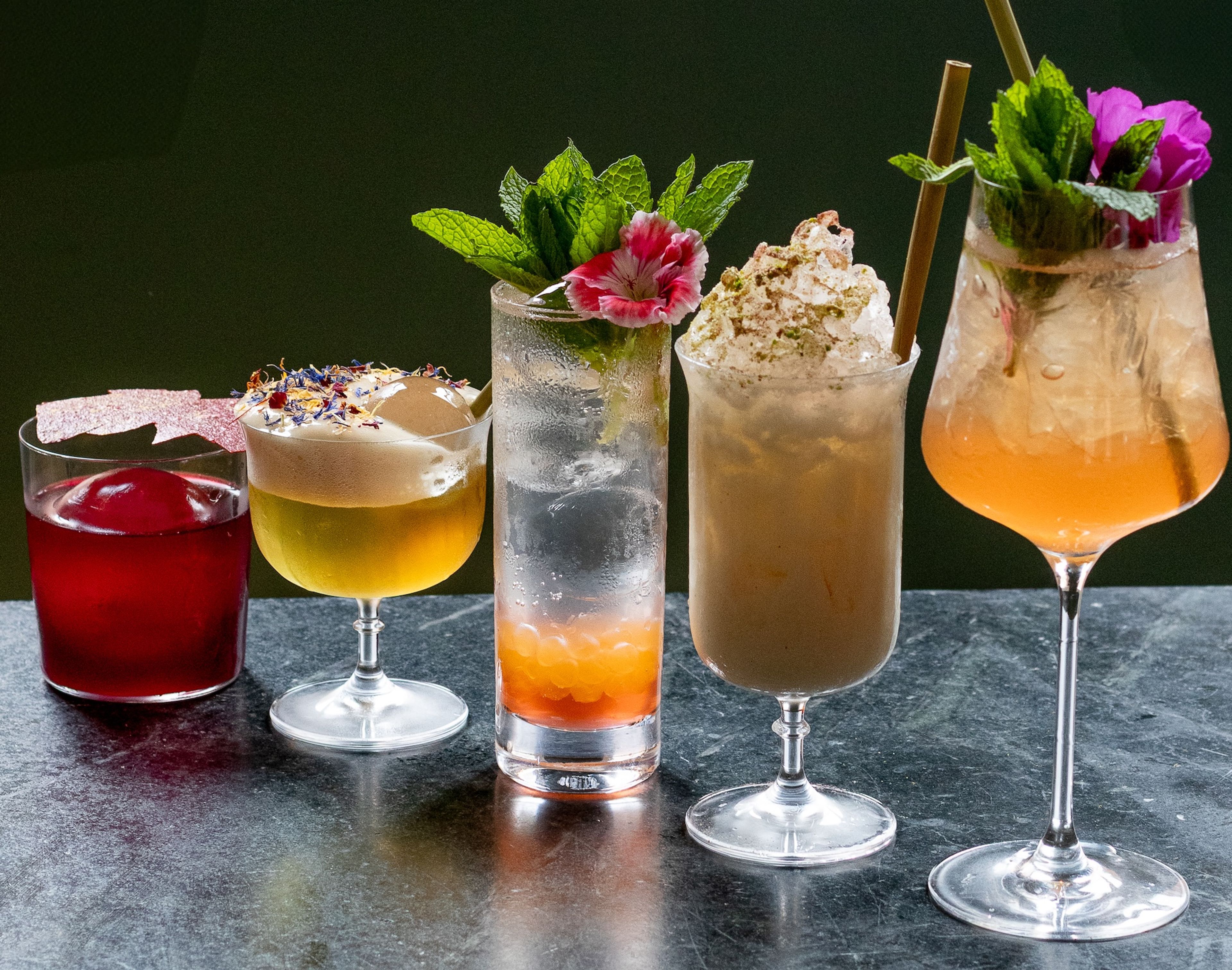
Cocktail menus are leaning into savory, fermented flavors and low- or zero-ABV drinks. (Photo courtesy of Sayat Ozyilmaz/Dalida)
Trending Cocktail Flavors and Styles
Savory and Culinary-Driven Cocktails
Chefs and operators predict that bartenders will continue taking inspiration from the kitchen. “We'll see more savory and herbal profiles, perhaps culinary-style beverages that highlight ingredients like sorrel, koji, and sea greens,” Bates says. Ozyilmaz cites ingredients like ferments, hydrosols, and shrubs, contributing to "savory profiles that feel more connected to agriculture than to the bar cart. Guests want drinks that taste alive—not just composed.” Wang says, “I am forever on the search for salad in a glass. (That is not a Bloody Mary.) Or cheese and crackers in a glass!”
Craft Cocktails Sans Booze
With more consumers moderating their alcohol consumption, restaurants and bars are crafting top-notch cocktails without booze. “Producers are using ingredients like gentian, seaweed, capsaicin, and distilled smoke to create products with bitterness, salinity, and structure,” Huerta says. “There is also a noticeable shift toward savory and textured profiles, with the industry incorporating miso, nori, salted syrups, and fat-washed or clarified non-alcoholic ingredients.” In low-alcohol drinks, Huerta sees bars utilizing fermented components like tepache, kombucha reductions, lacto-fermented fruit brines, and koji to build acidity, texture, and complexity.
Low-Waste Cocktails
Sustainability extends to cocktails too, with many bar programs relying more on fermented elements and citrus replacements to reduce waste without compromising flavor. “Tepache made from pineapple cores and skins, osmotic macerations, fruit scrap vinegars, and whey from milk punch clarification, when used to add texture to non-clarified drinks, are examples of components that extend shelf life and broaden flavor,” Huerta says. She adds that bars are also turning to citrus alternatives like citric and blended acid solutions, verjus, and acid-adjusted juices to bring brightness to drinks with much less spoilage.
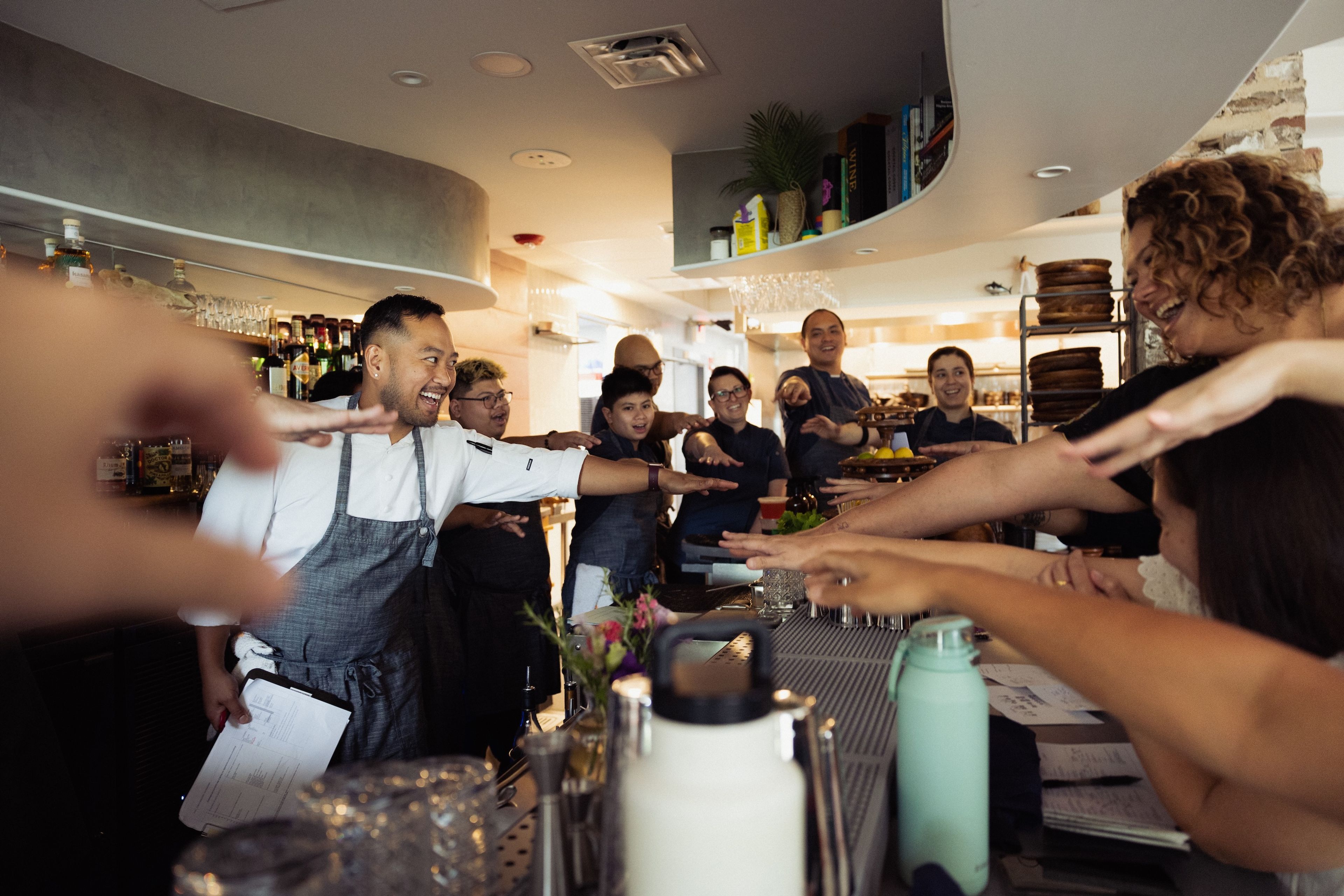
Restaurants are intent on fostering a healthy team dynamic. (Photo courtesy of Jamilyn Salonga Bailey/Kaya)
Hospitality Trends for 2026
A People-First Approach
When consumers dine out, they want to feel taken care of—and that’s not possible without the people preparing and serving it, so restaurants need to invest in their employees’ wellbeing and prioritize workplace culture. For Huerta, this means “team sustainability—reasonable schedules, ergonomic stations, and real pathways for growth." For James Beard Award semifinalist® Lordfer Lalicon, executive chef/co-owner of James Beard Award nominee® Kaya in Orlando, Florida, creating a healthy team consists of “constant education, effective communication, and growing intentionally with focus." When things like these are attended to, says Jamilyn Salonga Bailey, fall 2025 WEL alum and general manager/co-owner of Kaya, "We are all best prepared to provide intentional, unforgettable, and authentic experiences for our guests.”
Collaboration Over Competition
When asked what they hope to see more of in 2026, many chefs responded with the word collaboration. “Restaurants showing up for each other, building community, and creating together,” Reyes says. “More unity, more shared wins, more love. There’s room for everybody at the table, and the more we work together, the stronger the scene gets." For Bates, this translates to creating spaces where food is a vehicle for community, “whether that’s through shared dining formats, chef-led storytelling, or partnerships with local artists, farmers, and makers,” she says. “All of this points to the incredible power independent restaurants have within their communities that extends beyond the plate."
Real Moments Vs. Instagram Bait
In our current “the phone eats first” social media era, more chefs are hoping that 2026 will see a return to authentic dining experiences. “These days, it feels like as chefs we’re expected to make food that’s not only delicious but also ‘Instagrammable,’” Yuen says. “It takes the focus away from the flavor and intention of the dish and from the actual experience of eating. I’d rather guests put their phones down and really taste what’s in front of them.” Reyes agrees: “We love seeing people share their experience, but it shouldn’t come before actually enjoying it. Let’s get back to real hospitality, real food, real moments.”
Bottom line: 2026 promises to be a delicious year, but no matter the trends, the best way to continue supporting independent restaurants is by putting away your phone and arriving with an open mind. “When people come in open and present, not rushed or distracted, you can feel it,” Reyes says. “That’s when the experience hits different.”