Emerging Chef Adrian Torres' Memory-Making Mexican Cooking
The James Beard Award winner® on the gifts of being an immigrant, mentorship, and trial by fire.
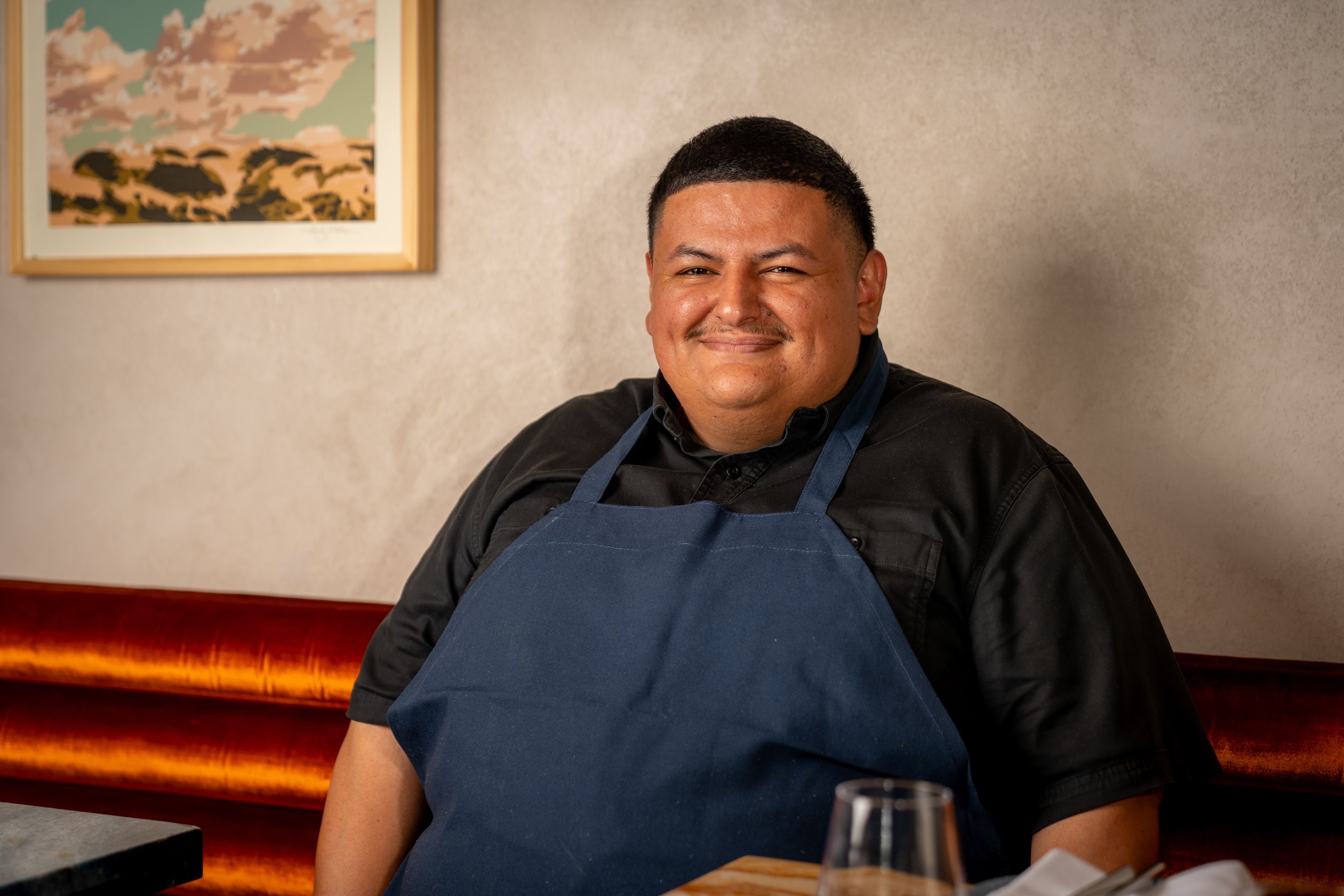
2026 Emerging Chef Adrian Torres at his restaurant Maximo. (Photo: Carla Gomez)
Mon, September 14, 2026
When Adrian Torres showed up for his first restaurant job interview, he was still in culinary school. The year was 2017, Xochi was one of the hottest restaurants in Houston, and its chef, Hugo Ortega, had just won the James Beard Award for Best Chef: Southwest. It was also the start of the notoriously busy Houston Restaurant Week, and the oyster bar chef was a no-show on that fateful August day. So, Torres, still wearing his chef whites and checkered pants, got behind the bar and started shucking oysters. Never mind that it was his first time doing so, or that it took him two hours to shuck 100 oysters. By the time he was promoted to a new station a month and a half later, he could shuck 100 oysters in under 15 minutes.
Seizing an opportunity is central to Torres' modus operandi, which has helped fuel his rise—from DACA recipient (Deferred Action for Childhood Arrivals, which provides temporary relief from deportation and work authorization to undocumented immigrants who arrived to the U.S. as children) to high school and college graduate to 2026 James Beard Award winner® of the Emerging Chef Award presented by S.Pellegrino. Torres' tenacity, work ethic, and passion led him to become executive chef of Maximo in Houston, where he is delving deeper into his Mexican heritage, celebrating the gifts of being an immigrant, and inspiring the next generation of chefs.
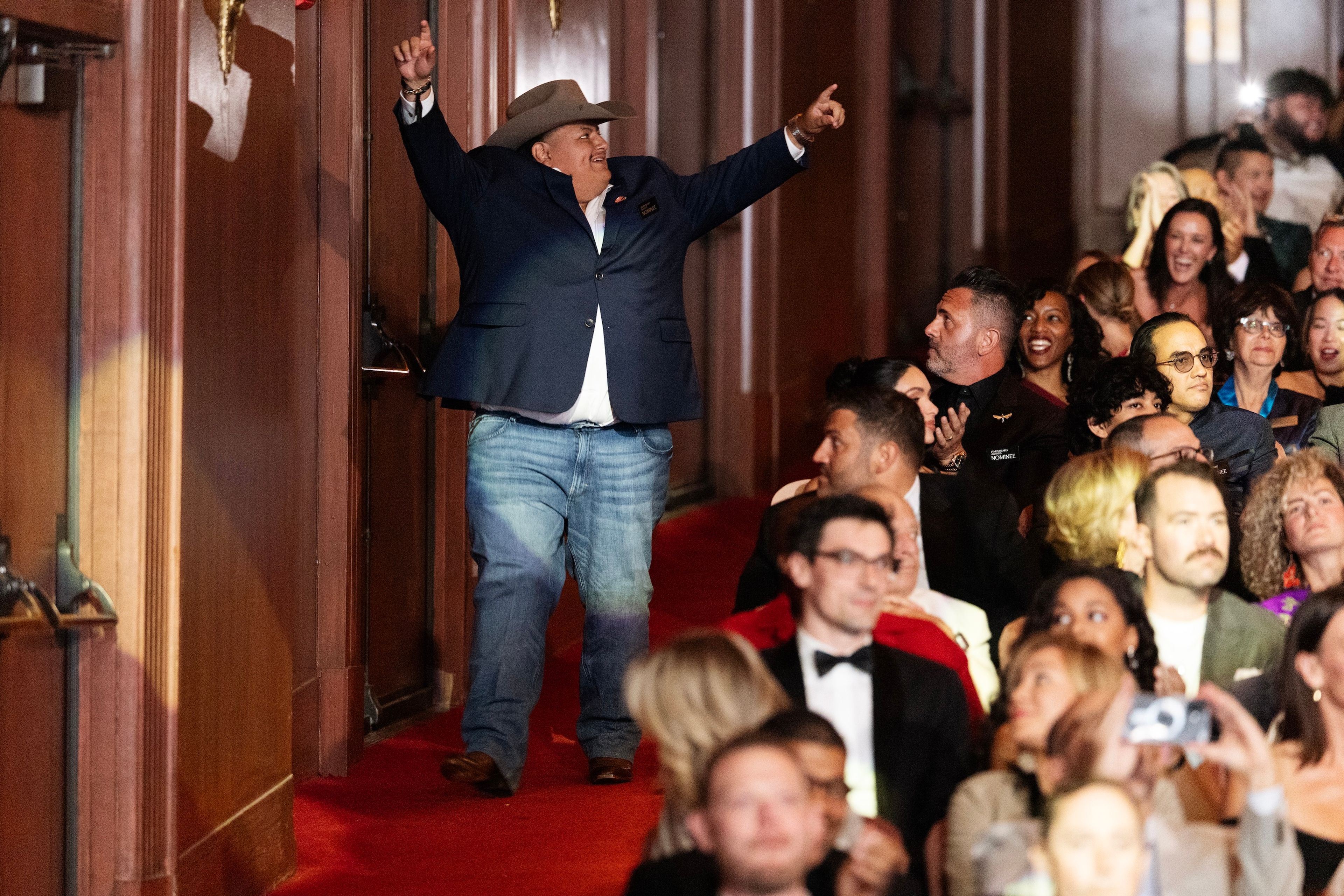
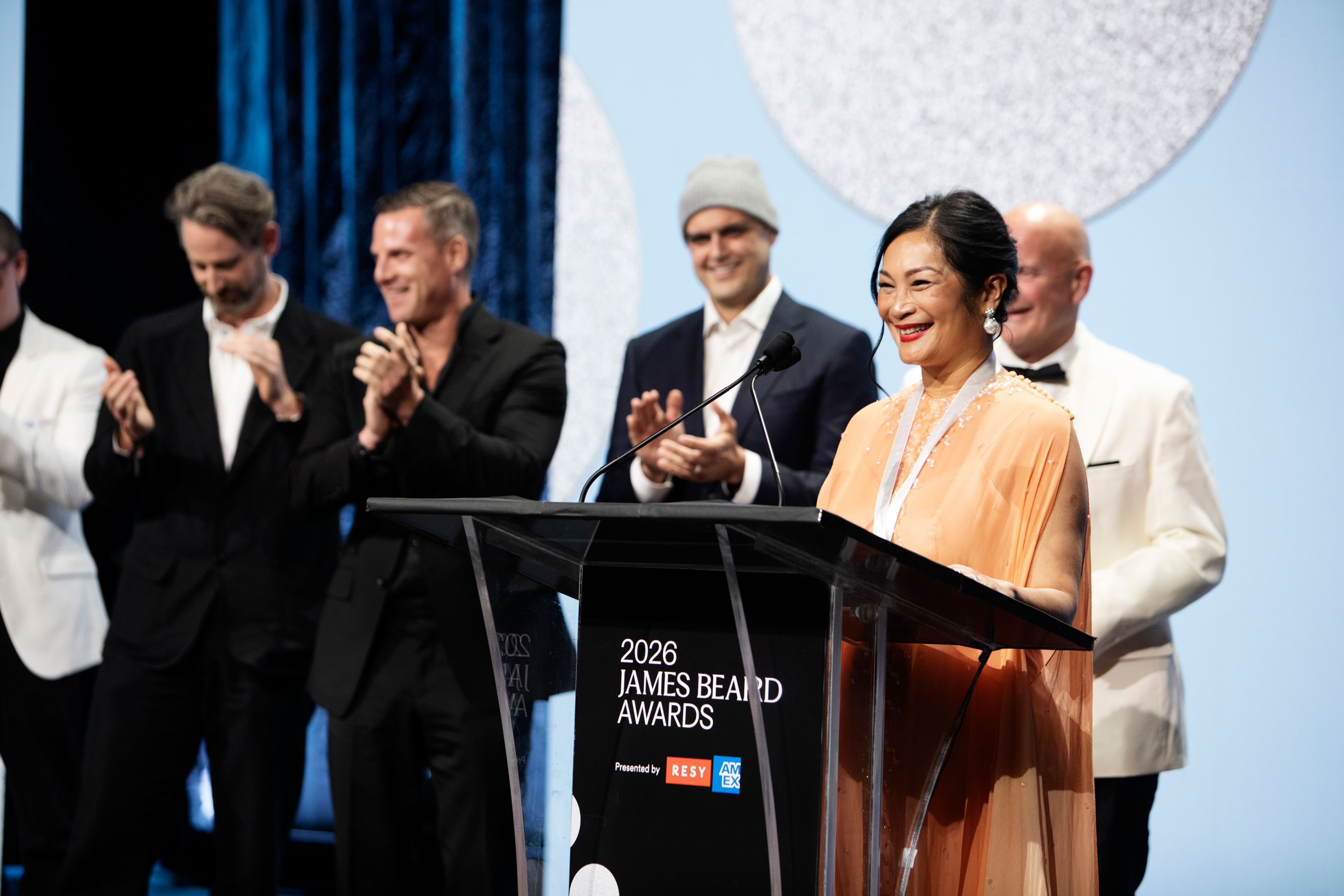
Torres at the 2026 James Beard Awards. (Photo: Eliesa Johnson)
Before Torres started cooking professionally, his perspective on Mexican food was limited. Torres and his family immigrated from San Luis Potosí, Mexico to Texas when he was five years old, settling first in Pasadena and later North Houston, where Torres has called home ever since. Before working at Xochi, he defined Mexican cuisine from two perspectives: his mom's home cooking, including dishes like guisos (stews), salsas, and rice and beans; and Tex-Mex from mom-and-pop restaurants, including fare such as queso, fajitas, and enchiladas.
"I walk into [Xochi] and there's like, 13 types of moles, they're serving chicatanas [large Mexican flying ants], and chapulines [grasshoppers], and they're making the tortillas from scratch," Torres says. "That just completely blew my mind about what I didn't know about Mexican food. And I literally fell in love with what Mexican food can be."
At Maximo, Torres has free reign to explore these possibilities. As he describes it, the first iteration of the restaurant was a fast-casual, neighborhood concept, with a simple menu of family-friendly tacos, sides, and burgers. When the owners decided to revamp the restaurant into something more expansive to appeal to a wider audience, they promoted Torres from sous chef to executive chef. "I was 26 at the time. I had never led my own restaurant; I had never really led my own kitchen where I had 100% autonomy of the menu and the food," he says. "Again, it was one of those things where you get thrown into the fire. If I'm given this opportunity, I'm going to take it and run with it."
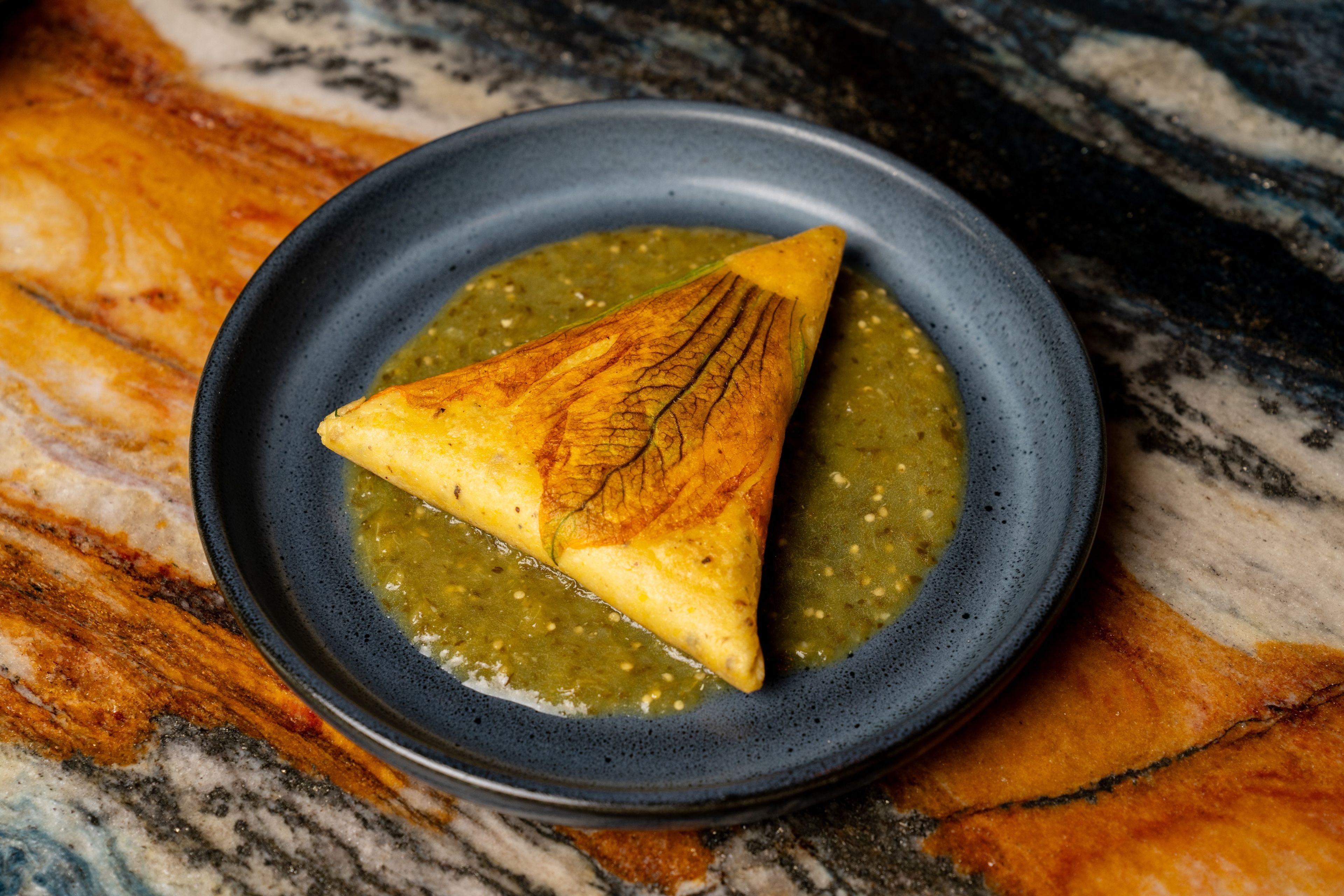
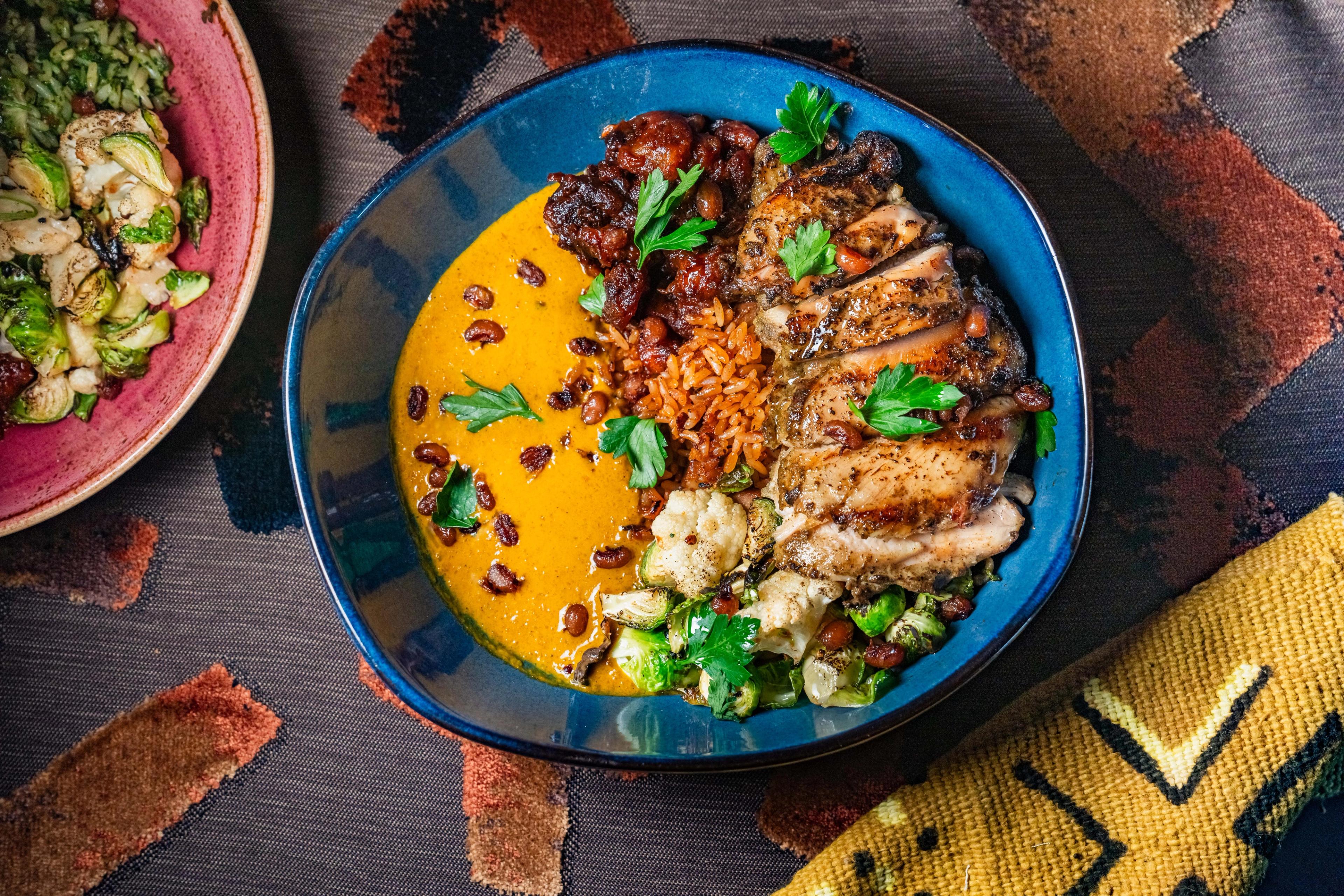
The squash blossom tetela at Maximo. (Photo: Carla Gomez)
Torres' vision for the menu was to give Mexican food the respect he knew it deserved, but through his unique perspective as an immigrant. "Because I can't travel to Mexico [due to DACA status], I can't go try the new foods and trends. So that's where the palate is. I like to cook from a point of nostalgia, where I'm always chasing that 'Oh my God, this tastes like my mom's cooking or my grandma's or my aunt's," he says. "And because I'm not able to travel to have these experiences for myself, I like when people tell me stories about the last time they were in Mexico and they went to the little fonda [small, family-run restaurants] down the street and these ladies made a quesadilla. I feel like I'm traveling with them. I'm not always inspired by the actual dish that they ate; I'm more so inspired by the feeling that that thing made them feel.”
Houston's diverse immigrant communities provide ample culinary inspiration for Torres, too. "The fun part of me being an immigrant in Houston, I'm influenced by Texas barbecue, and by Vietnamese cuisine, Japanese cuisine, and Indian cuisine. So, I get to learn different techniques throughout my career that now I'm like, 'How do I make this Mexican dish taste really good, but how do we make it cool with different techniques? So how we get there is the fun part."
One of Torres' favorite menu items at Maximo is inspired by the carnitas he grew up eating on weekends. He smokes pork belly in an offset smoker to imbue it with Texas barbecue–style smoke, cooking it low and slow to render the fat and achieve a supremely tender texture. "You take that beautiful piece of pork and put it next to a little guacamole, some escabeche, a flour tortilla, and salsa, and then you have a great taco," he says.
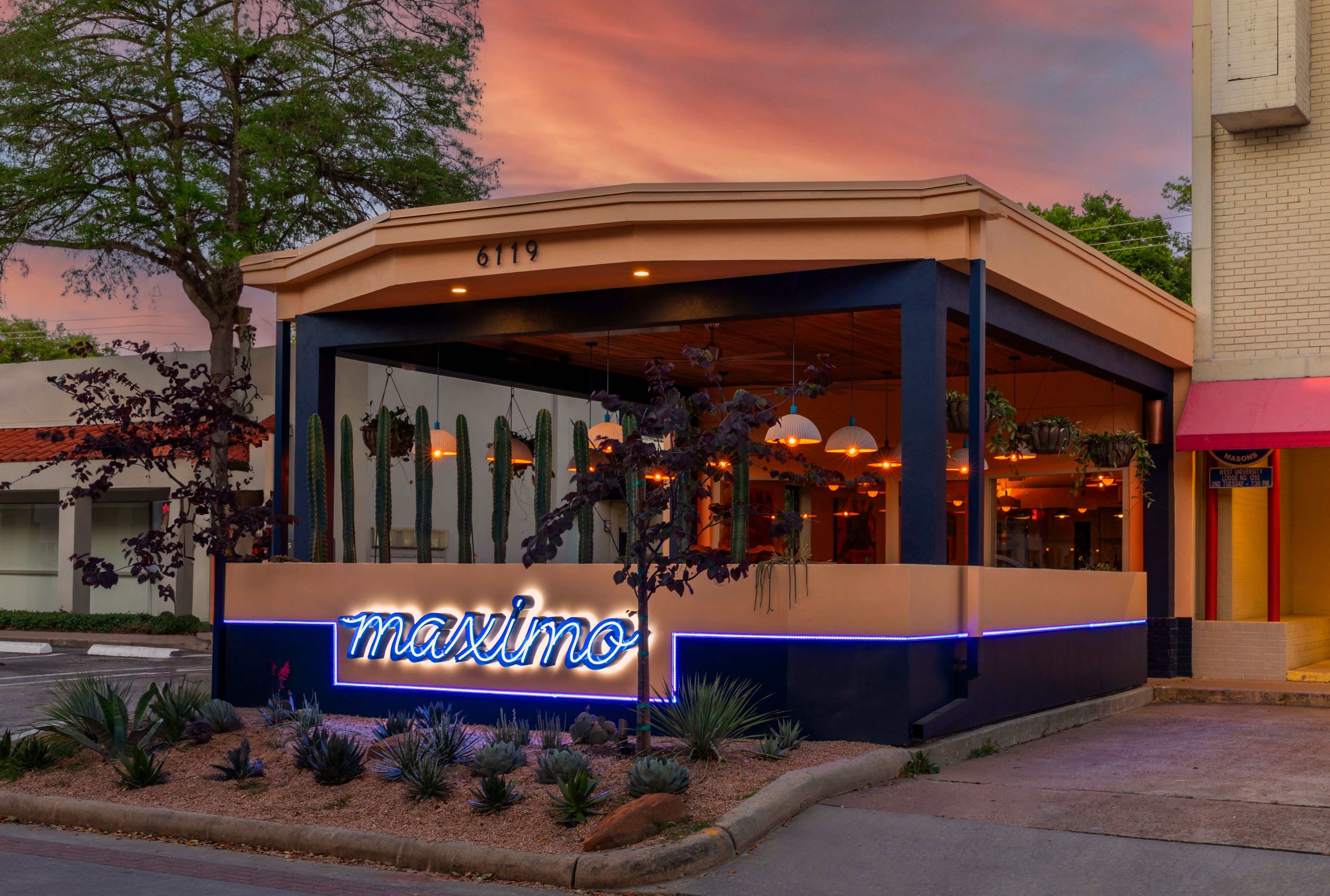
The exterior of Maximo, which has an expansive patio. (Photo: Julie Soefer)
Torres is also proud of the nixtamalization program he implemented at Maximo that has since become foundational to his cooking and menu development. "There's so many things you can make with masa—tortillas, sopes, huaraches, tetelas, tostadas." He was first inspired by the process of transforming corn into masa while working at Xochi. "That's the first time I ever saw tortillas being made that way here in the U.S., where they're bringing in the corn, they're cooking it with the cal [calcium hydroxide], resting it, and then grinding it the next day," Torres says. "That was something that was very beautiful to me. I would take tortillas home to my mom, and she would say, 'This is awesome; this is the way I used to eat tortillas in Mexico.' Being able to make that connection was very special to me."
Torres credits early supporters and mentors with not only helping him to expand his palate and hone his cooking chops but also bolstering his drive and influencing his leadership approach. After graduating high school with a few home economics classes under his belt and a Cake Boss-inspired love of baking with his mom, Torres applied to culinary programs in Houston. Due to his DACA status, he was rejected from his top-choice private schools, so instead he enrolled in the culinary arts program at San Jacinto College. "I felt like I had to work harder at the community college and get the most out of it as I could," he says. "It was one of the best experiences that I've had." It helped that he received encouragement from instructors early on. "Just hearing those words from someone you look up to—that changed my view, and it lit a fire in me that's still burning," he says.
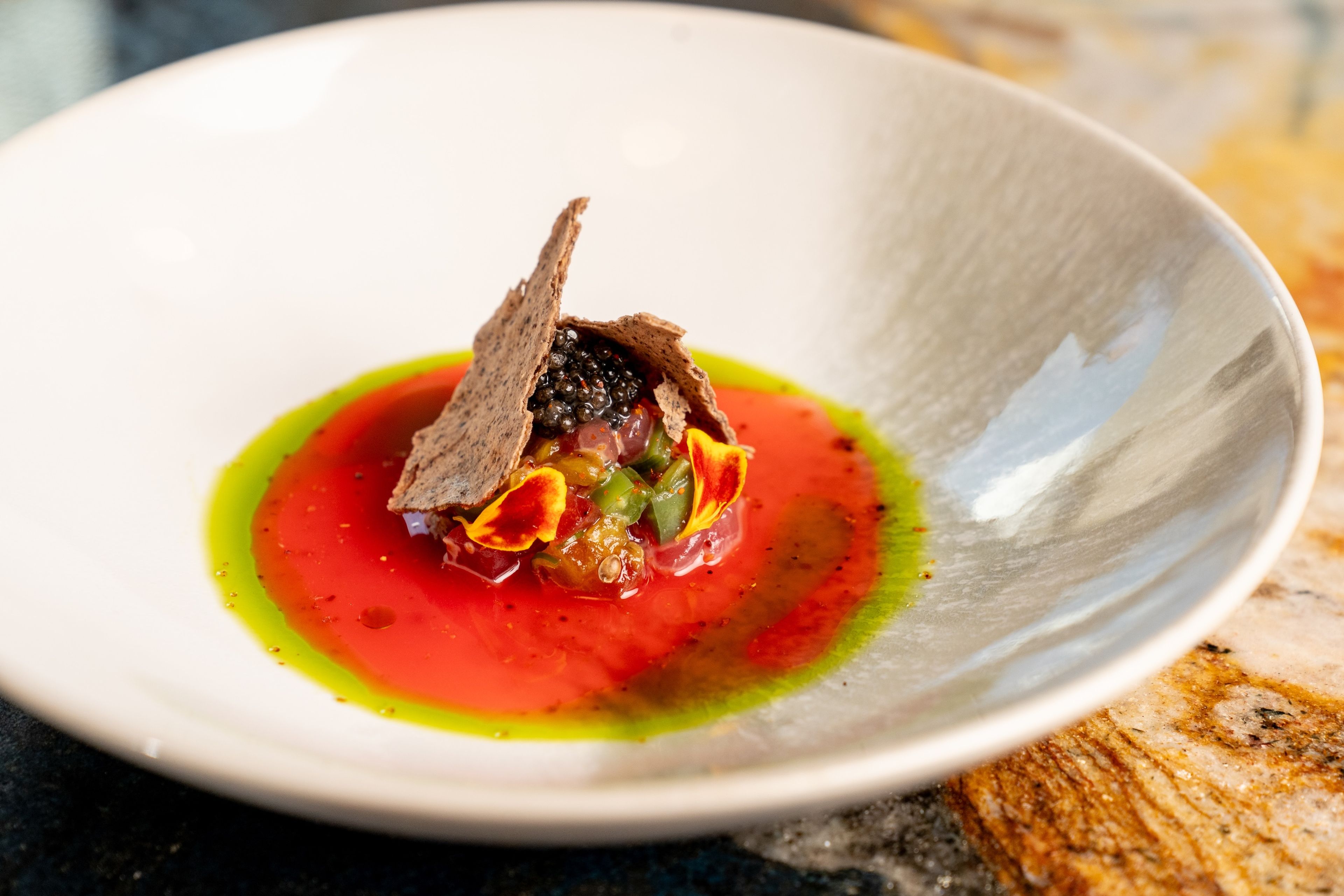
The Tuna y Tuna course on Maximo's tasting menu, which donates a portion of sales to Caritas San Luis Potosí. (Photo: Carla Gomez)
While working at Xochi, Torres achieved steady professional growth under the guidance of chef Fabian Saldaña. "He promoted me throughout the restaurant a little at a time," Torres says. "At Xochi, I worked every single station for months at a time, until when I left, I was leading the line almost as expo [chef]. That growth was something that helped me a lot."
Torres' time at Xochi briefly overlapped with James Beard Award–winning chef Thomas Bille, with whom he made a meaningful connection. After Torres left Xochi, he bounced around a few different jobs. When he felt down or adrift, he reached out to chef Bille. "He would always give me advice: build your resume; go knock on a door. He would tell me, 'This chef is coming into town,' or 'These guys are opening a restaurant, you should check that out'," Torres says. When Bille opened Belly of the Beast in early 2020, he brought Torres on. Despite the Covid pandemic shut down, Bille's quick pivot to online ordering and cooking community meals ensured that the team remained employed—and Torres observed the resilience and ingenuity that is part of running a successful restaurant.
The accumulation of these professional experiences has helped shape Torres' own leadership style at Maximo. "My managing has evolved to how I would like to be managed, with being considerate and making sure that people feel appreciated and valued," he says. "My team has been with me for 2.5 years. I haven't really had any turnover on my original team; if anything, my team has grown. And I think that speaks to the way that I manage."
Torres' reverence for teamwork and fostering a positive kitchen culture is evident in the way that he reflects on what it means to have won a James Beard Award. "I think we're always seeking some sort of validation. Food is somewhat of an art, so it's always subjective. Having an organization like the James Beard Foundation acknowledging that my work is beautiful, and then more importantly, the hard work that goes into it [is very special]," Torres says. "It's not just one person. I always tell my team, 'If it was up to me, every award that we ever get would have all of our names on it.' Because there's so much work, time, effort, and sacrifice that goes into doing what we do, with so much love and care and intention."