Carolina Gelen Wants You to Love Cabbage
The 2025 James Beard Award–winning cookbook author shares three easy recipes that showcase the veggie’s versatility, complex flavors, and enduring appeal.
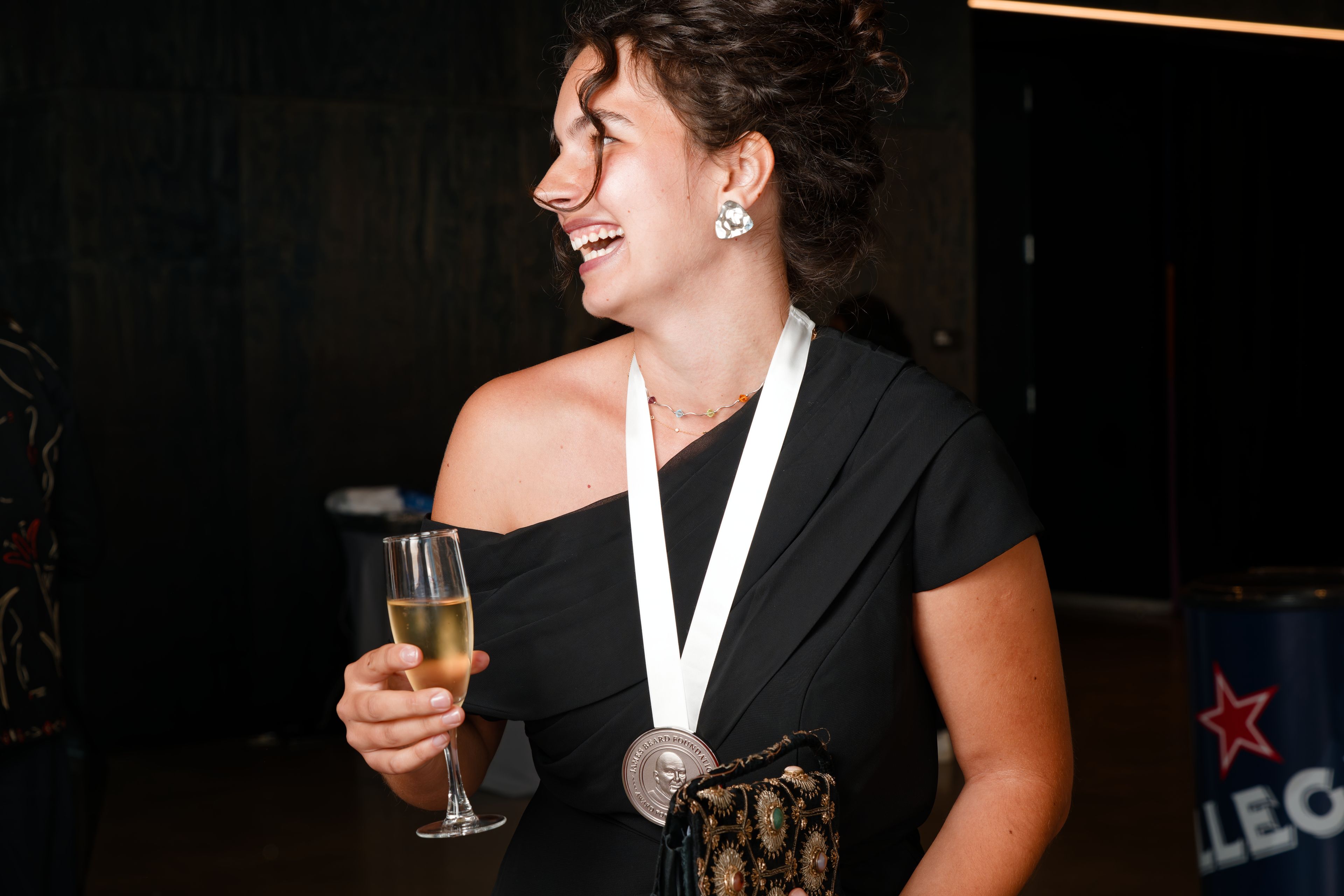
Carolina Gelen at the 2025 James Beard Media Awards. (Photo: Galdones Photography)
Mon, April 13, 2026
Long before 2026 was deemed Year of the Cabbage, the versatile brassica was a constant presence on Carolina Gelen’s family table in Transylvania—like egg noodles with seared cabbage or a soup crafted with homemade sauerkraut, scooped by hand from the 50-gallon container that sat on their apartment’s balcony all winter. As a child, she developed an appreciation for food while gathering around the table for home-cooked meals and discovered cooking as a form of entertainment watching shows hosted by Nigella Lawson, Yotam Ottolenghi, and Jamie Oliver.
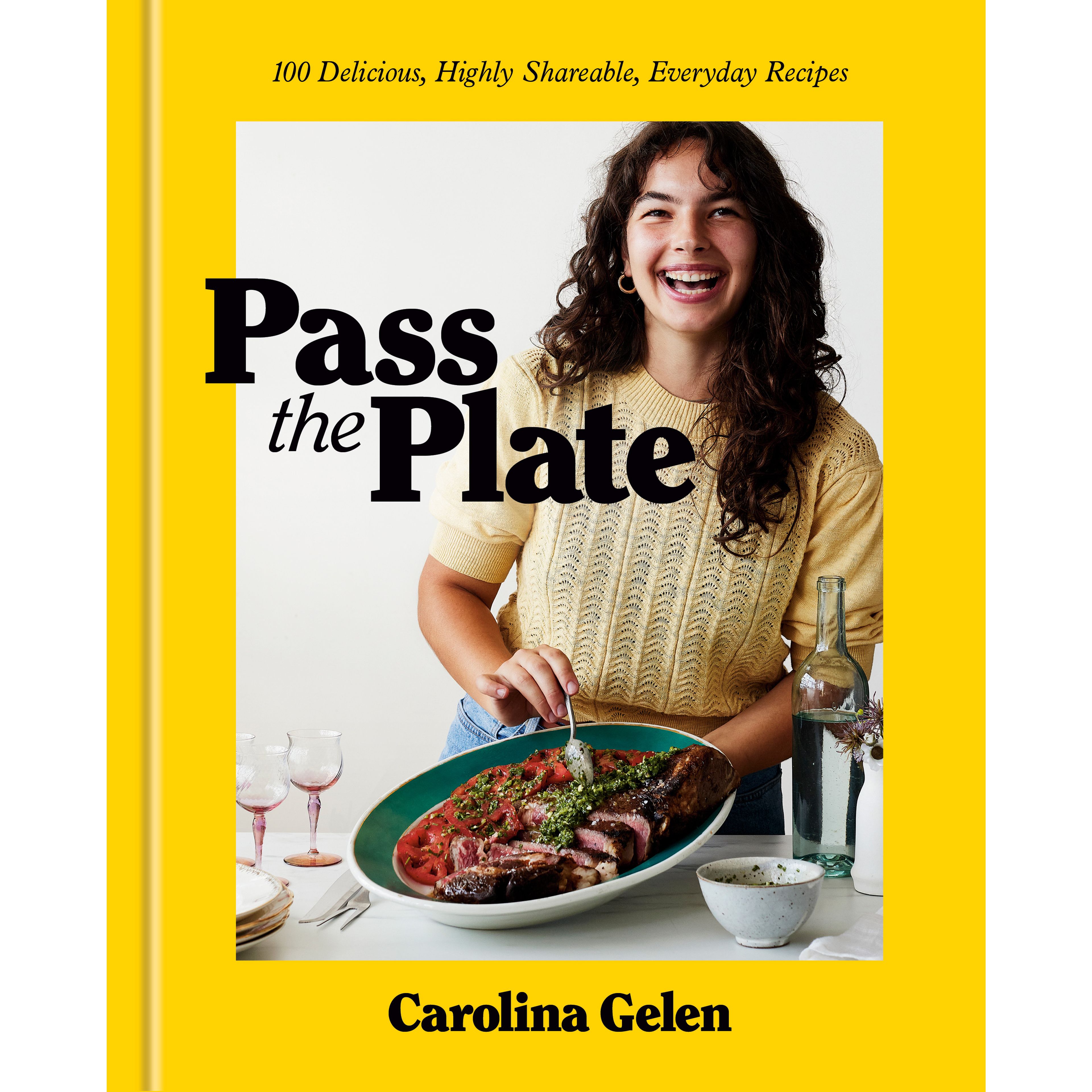
When she started devising her own dishes and shooting cooking videos, Gelen’s warm, inviting style resonated with legions of fans—to the tune of 1.4 million Instagram followers and counting. In her 2025 James Beard Award–winning cookbook, Pass the Plate: 100 Delicious, Highly Shareable, Everyday Recipes, Gelen shares craveable, approachable recipes—including several starring cabbage, which she proudly touts as her favorite vegetable.
Here, Gelen shares what it means to win a James Beard Award, what home cooks get wrong about cabbage, and three easy cabbage recipes packed with flavor, including a quick, comfort food go-to, a simple-yet-sophisticated side dish, and a vibrant sauerkraut soup, perfect for sipping hot when spring’s temperatures are still a tease, or chilled once the weather warms up.
This interview has been condensed for clarity and length.
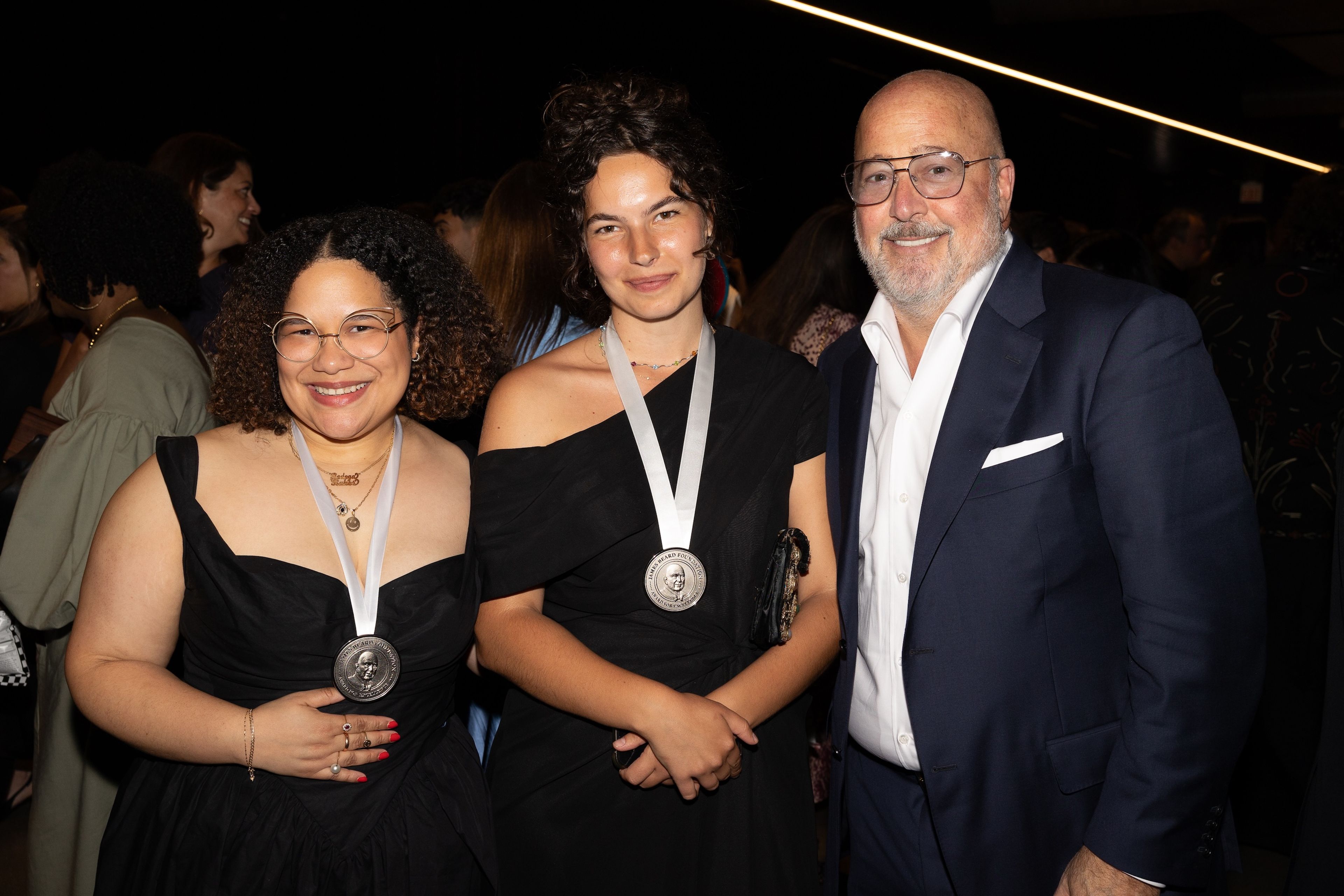
Gelen with Paola Velez and Andrew Zimmern at the 2025 James Beard Media Awards. (Photo: Galdones Photography)
How did it feel to win the James Beard Award for Pass the Plate?
I only have one word to describe it: surreal. Growing up in Romania, it feels like such a far enough dream that you don’t even dare to dream it. Even five seconds before the winner was announced, I never allowed myself to believe that I would win it. When my name was announced on stage, it was very surreal. My whole body was just goosebumps, and I felt this adrenaline and all these nerves. But obviously I was just incredibly grateful to be in that moment and be able to see all the things I went through to reach this stage.
Do you have any cookbook author mentors or cooking heroes that you look up to?
Yotam Ottolenghi and his beautiful food and recipe creations; his unique way of playing with flavors taught me so much. Nigella Lawson still has such a special place in my heart. She has such a calming and soothing demeanor about her that entices you and makes you want to be in the kitchen and cook like her.
How would you describe your style?
I’m very grateful to have travelled through the country for my cookbook tour and meet my community online in real life. They described me as a friend in the kitchen, someone who’s there to guide you through a meal or recipe. I think this is because I create recipes with the real-life aspect in mind. I try to prioritize flavor to begin with, but then I streamline the process as much as I can. I think that’s what makes my recipes approachable.
In the foreword to your book, you write “Whatever life throws at you, I created these recipes to be accessible, tasty, and nourishing—for yourself, as well as your loved ones.” What does “nourishing yourself” mean to you?
For me, it is being connected to the food. Being able to be present in the cooking process and being able to sit down, disconnect, and just enjoy the food and appreciate the produce on your plate or whatever you’re eating. I think that is one of the reasons why lunch is my least favorite meal because I don’t get an opportunity to do that.
How did working in restaurants inform your approach to home cooking and later writing recipes?
The most memorable job was working in the kitchen at a farm-to-table restaurant. It taught me so much about not only cooking the food but sharing stories about the food and how much that reaches people. We talked about how we’re using seasonal ingredients, the farmers and their families, and that sense of community that builds around the dish itself. It’s amazing how many hands go into the dish in front of you. That informed my writing a lot, being able to communicate the work that goes on behind the food.
Let’s talk about cabbage. Why is cabbage one of your favorite vegetables?
It’s mostly because I grew up with it. It’s just such a big part of Eastern European culture. Ultimately, it’s due to its versatility and it has such a complex flavor every time. You can turn it into pasta sauces, a side dish, or a main; you can sear, braise, roast, or stir-fry it. Also, it lasts a long time in the fridge and it’s incredibly affordable.
Can you talk about some of the different cabbage recipes in your book and highlight some of these preparation techniques?
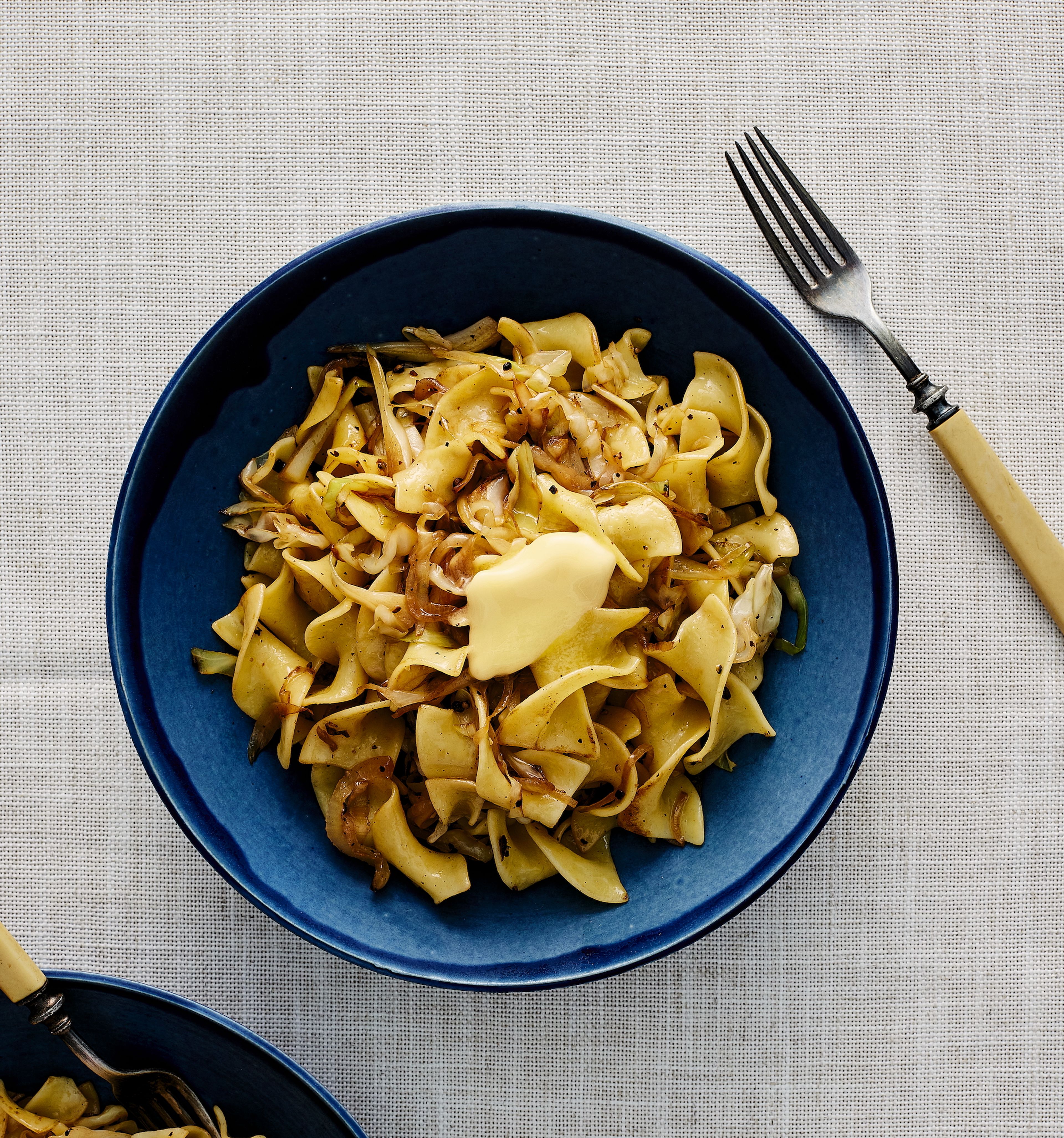
The first one is something I like to call the Eastern European butter noodle, which is essentially butter noodles that are tossed with seared cabbage and onions [Butter Noodles with Melting Onions and Cabbage]. You cook them in a pan very quickly over high heat, so you get little bit of caramelization on the outside of the cabbage; it lends such a beautiful flavor to the sauce. But it’s also something so simple that I remember growing up with. My mom would just whip it together in 20 minutes after coming home from work.
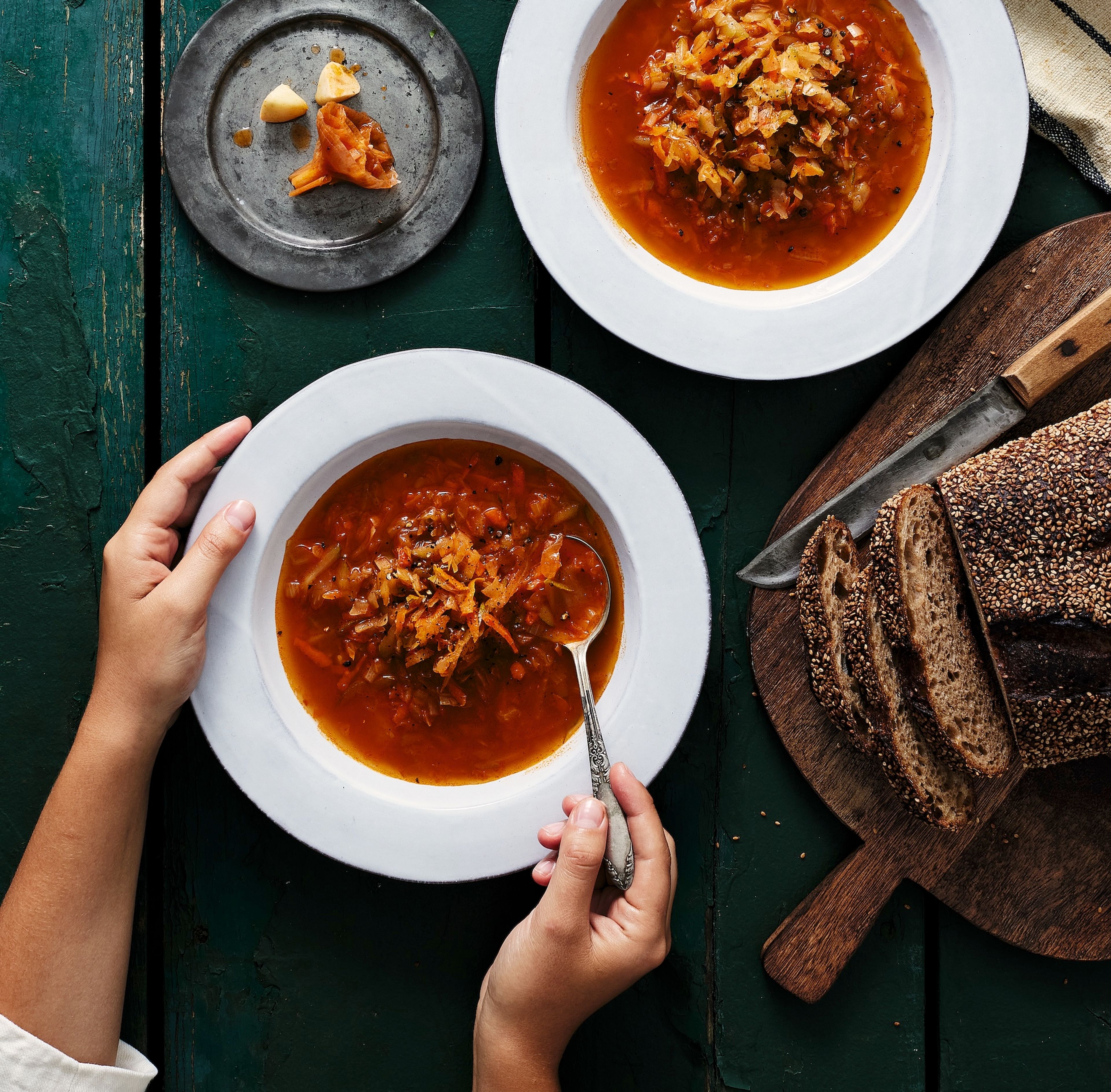
I also have a zingy vegetable soup that uses sauerkraut [Zingy Sour Veggie Soup]. Because of its brininess and tang, it brings so much flavor to the dish; it’s balanced by these other vegetables—zucchini is kind of mild, and carrots are a little bit sweet. Growing up, we would have this more in the winter because that’s when we’d have sauerkraut on-hand, and we’d try to use it all up before the warm weather came. But we would definitely also do this in the summertime with a leftover jar that we found somewhere in our pantry. It’s a very cooling thing [to eat] in the middle of a heat wave and pretty light also.
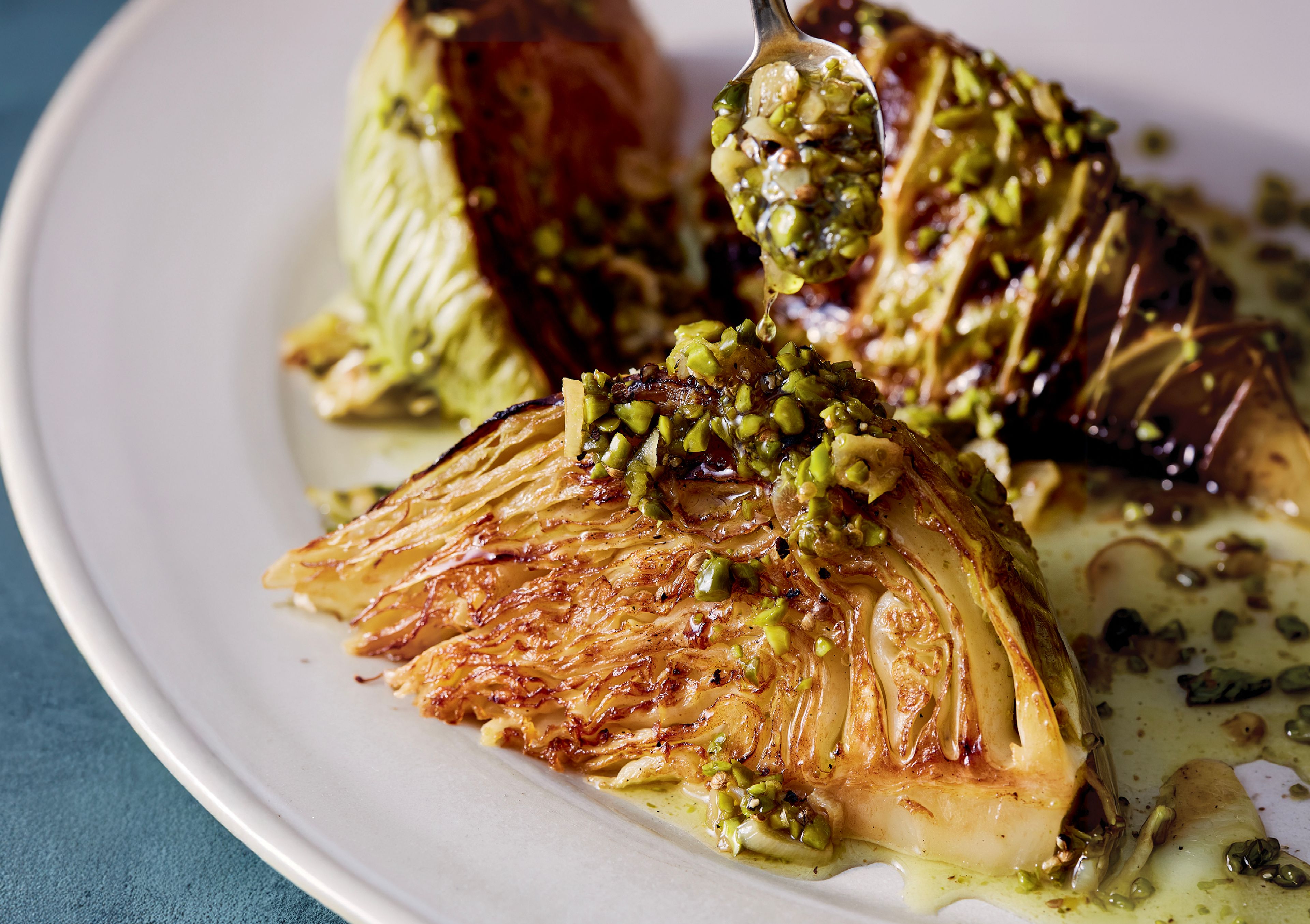
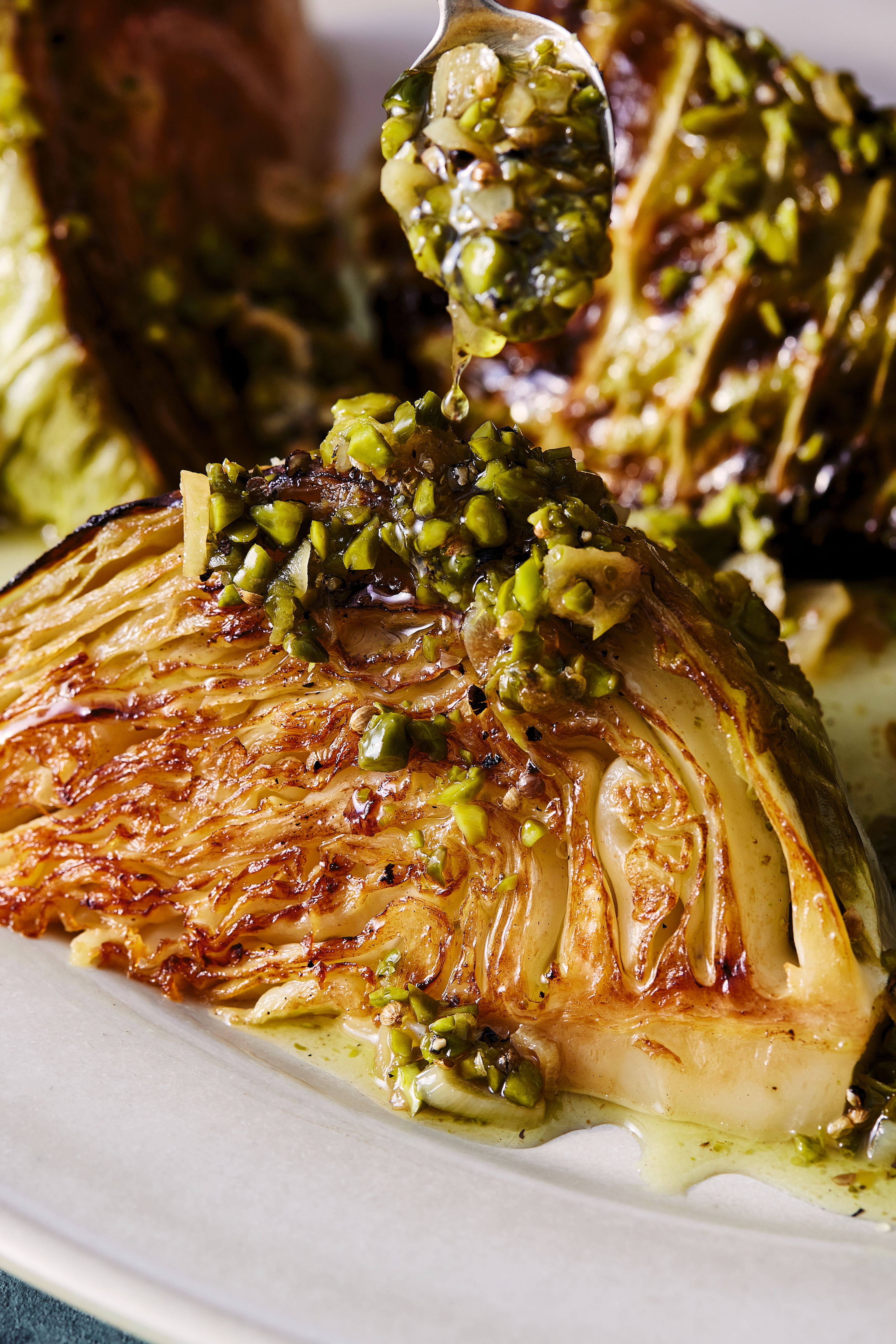
And then there is Steamy Roasted Cabbage with Crispy Garlic Pistachio Oil (pictured right, Photo: Nico Schinco). It makes such a simple side dish that looks so much more impressive than it actually is to make. I first made this when I had people over; because I have cabbage in my fridge at all times, this just came to me. You see this a lot in restaurants as well—it’s not so strange to cut a cabbage into six or eight wedges and roast or sear them in a pan. There’s just something about that caramelized exterior that’s very enticing. I was looking to add some crunch with the pistachios, and I made this aromatic, flavorful oil infused with garlic, coriander seeds, and peppercorns that really elevated the humble cabbage wedge.
Is there something about cabbage you wish people would keep in mind?
I think most cooks stay away from cabbage because they don’t know what to expect when it comes to its flavor. If you didn’t grow up with it, it just looks like this foreign, green blob that you see in your fridge and don’t know what to do with it. Something that makes cabbage more approachable is cutting it into either wedges or big chunks. Just taking that first step of tackling it and cutting it—you're basically halfway there.
For more of 2025 James Beard Award winner® Carolina Gelen’s recipes and cooking insights, pick up a copy of Pass the Plate, follow her on Instagram, or check out her Substack newsletter, SCRAPS.